
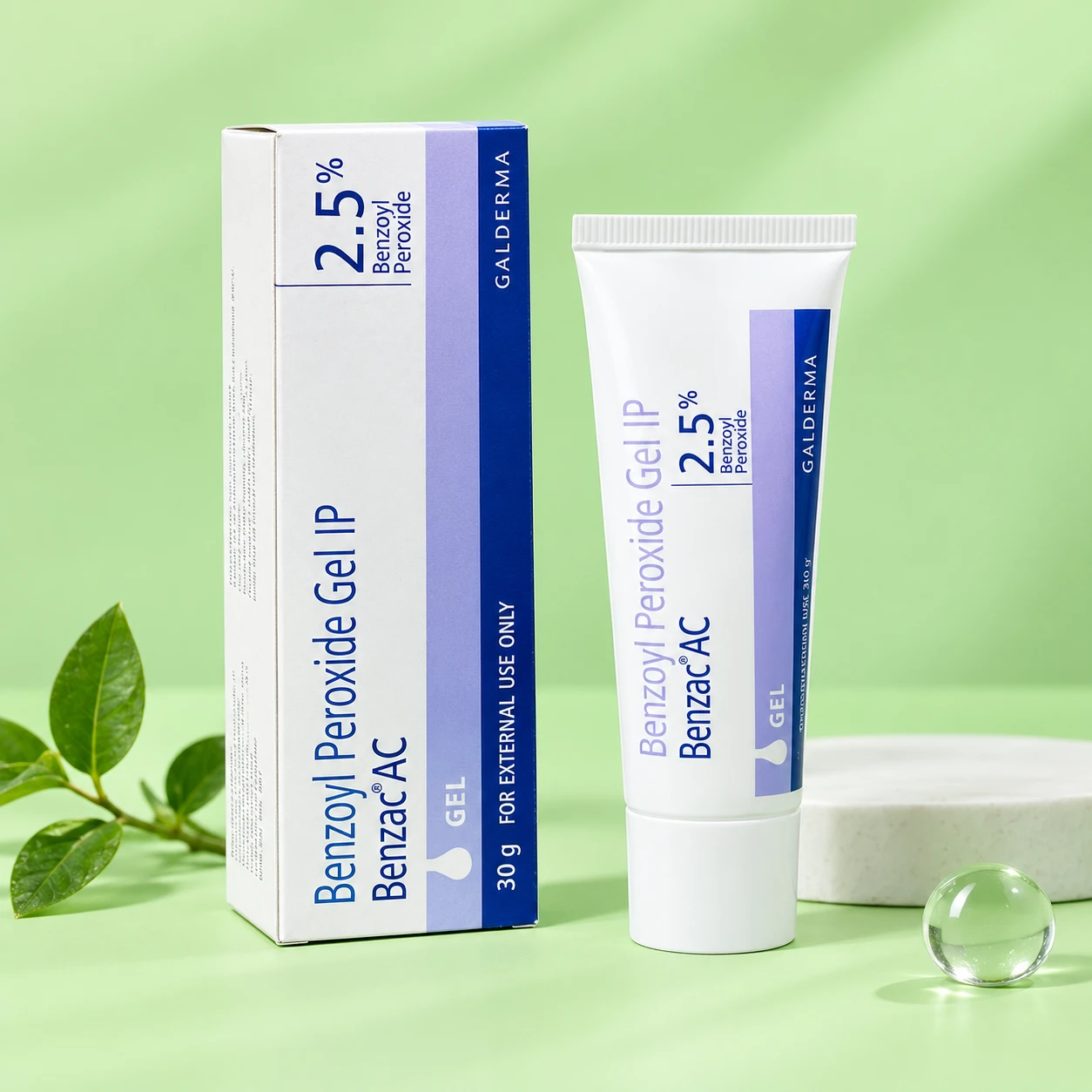
Benzac AC 2.5% Gel Price in Bangladesh – Galderma Benzoyl Peroxide Gel (30g)
Looking for the genuine Benzac AC 2.5% gel price in Bangladesh? Galderma Benzac AC Benzoyl Peroxide Gel 2.5% (30g) is one of the most trusted, dermatologist-recommended acne treatments in the world, and you can now order the original product online from Derma.com.bd with fast home delivery across Dhaka and all over Bangladesh. This guide explains everything you need to know before you buy: what Benzac AC is, how benzoyl peroxide works, who should use the 2.5% strength, how to apply it correctly, what side effects to expect, and why buying an authentic product matters for your skin.
Acne is one of the most common skin problems in Bangladesh. Hot and humid weather, heavy sweating, dust and pollution, oily skin and hormonal changes all make breakouts more likely, especially among teenagers and young adults. Many people try home remedies or random creams for months without results. Benzac AC takes a different, science-based approach: it targets the acne-causing bacteria directly, helps unclog pores and reduces inflammation, all with a gentle water-based formula designed to minimise dryness and irritation.
What Is Galderma Benzac AC 2.5% Gel?
Benzac AC Gel 2.5% is a topical acne treatment made by Galderma, a global dermatology company known for skin-health brands used by dermatologists in many countries. The active ingredient is benzoyl peroxide 2.5%, one of the most widely studied and widely recommended ingredients for mild to moderate acne.
The "AC" in the name refers to its aqueous (water-based) gel formula. Unlike older alcohol-based benzoyl peroxide products, a water-based gel is generally better tolerated, absorbs easily and is less likely to sting or over-dry the skin. This is why the 2.5% strength is often the first choice for people with sensitive skin, beginners to acne treatment, and anyone who has found stronger products too harsh.
The 30g tube is a convenient size for daily use on the face or small areas of the body, and it lasts several weeks when used as directed.
Key Ingredient: Benzoyl Peroxide 2.5%
Benzoyl peroxide has been used in dermatology for decades and remains a first-line acne treatment in international guidelines, as noted by the American Academy of Dermatology. It works in several ways at the same time:
- Kills acne-causing bacteria: When applied to the skin, benzoyl peroxide releases oxygen into the pore. The bacteria linked to acne (Cutibacterium acnes) cannot survive well in an oxygen-rich environment, so their numbers drop quickly.
- No bacterial resistance: Unlike topical antibiotics, bacteria do not develop resistance to benzoyl peroxide. That is why dermatologists often combine it with other treatments to keep them effective.
- Mild peeling (keratolytic) action: It helps loosen dead skin cells that block pores, which reduces whiteheads and blackheads over time.
- Reduces inflammation: By lowering bacterial load, it calms red, swollen pimples and helps prevent new inflamed spots.
Studies have shown that lower strengths such as 2.5% can be about as effective as 5% or 10% for many people with mild to moderate acne, while causing noticeably less dryness, redness and peeling. For most users, 2.5% offers the best balance between results and comfort.
Benefits of Benzac AC 2.5% Gel
- Helps treat and prevent pimples, papules and pustules
- Reduces whiteheads and blackheads by keeping pores clearer
- Calms redness and swelling of inflamed acne
- Helps control excess oiliness on acne-prone skin
- Water-based gel formula that is gentler than alcohol-based products
- Lightweight, non-greasy texture suitable for hot, humid weather
- Suitable for face, back, chest and shoulders
- Can be used alongside many other acne treatments (with your doctor's advice)
- From Galderma, a trusted global dermatology brand
Who Should Use Benzac AC 2.5%?
Benzac AC 2.5% is a good choice for:
- Teenagers and adults with mild to moderate acne
- People with oily or combination, acne-prone skin
- Those who are new to benzoyl peroxide and want to start with a gentle strength
- People with sensitive skin who found 5% or 10% products too drying
- Anyone with body acne on the back, chest or shoulders
- People using other acne treatments who need a gentle bacteria-fighting partner, as advised by a dermatologist
If you have severe, painful, cystic or nodular acne, or acne that leaves deep scars, please consult a dermatologist. The NHS acne treatment guide explains when prescription treatment is needed. You may need prescription treatment in addition to, or instead of, a topical gel.
How to Use Benzac AC 2.5% Gel
Using benzoyl peroxide correctly makes a big difference to both results and comfort. Follow these steps unless your doctor tells you otherwise:
- Cleanse: Wash the affected area with a mild, non-soap cleanser and lukewarm water. Pat dry gently with a clean towel.
- Wait: Let your skin dry fully for a few minutes. Applying to damp skin can increase stinging.
- Apply a thin layer: Take a small amount and spread a thin, even layer over the whole acne-prone area, not just on individual pimples. This helps prevent new breakouts.
- Start slowly: In the first week, apply once daily (usually at night). If your skin tolerates it well, you can increase to twice daily.
- Moisturise: Once the gel has absorbed, apply a light, non-comedogenic moisturiser to reduce dryness.
- Protect in the daytime: Use a broad-spectrum sunscreen every morning, since acne-treated skin can be more sensitive to the sun.
- Wash your hands after applying.
Tip for sensitive skin: If your skin is very reactive, you can try "short contact" use at first: apply the gel, leave it on for 10–15 minutes, then rinse it off. Gradually increase the time as your skin adjusts.
When Will I See Results?
Patience is important with any acne treatment. Most people notice fewer inflamed pimples within 2 to 4 weeks, with clearer improvement after 8 to 12 weeks of regular use. Some users experience mild dryness or a short period of adjustment in the first couple of weeks. Do not stop too early: consistent daily use is the key. Once your acne is under control, many dermatologists recommend continuing a maintenance routine to prevent breakouts from returning.
Possible Side Effects
Benzac AC 2.5% is designed to be gentle, but like all benzoyl peroxide products it can cause some side effects, especially at the start:
- Dryness and mild peeling
- Redness or a feeling of tightness
- Mild burning or stinging on application
These effects are usually mild and tend to improve as your skin adjusts. Reduce how often you apply it, and use a gentle moisturiser if needed. Stop use and seek medical advice if you notice severe irritation, swelling, blistering, intense itching or signs of an allergic reaction.
Important Precautions
- It can bleach fabrics and hair. According to DermNet, benzoyl peroxide can whiten towels, pillowcases, clothes and hair. Use white towels and pillowcases, let the gel dry completely before contact with fabric, and keep it away from your hairline and eyebrows.
- For external use only. Avoid contact with the eyes, lips, inside of the nose and mouth, and broken or sunburned skin. If it gets into the eyes, rinse well with water.
- Do not apply excessive amounts. Using more will not clear acne faster but will increase irritation.
- Be careful when combining with other strong actives such as retinoids (tretinoin, adapalene), AHAs/BHAs or other peeling products. Use them at different times of day or as directed by your dermatologist.
- Do a patch test on a small area first if you have very sensitive skin or a history of allergies.
- If you are pregnant or breastfeeding, consult your doctor before use.
- Keep out of reach of children. Store below 25°C, away from direct sunlight, with the cap tightly closed.
Benzac AC 2.5% vs 5% vs 10%: Which Strength Is Right for You?
Benzac AC is available in different strengths, and many customers ask which one to choose:
- Benzac AC 2.5%: The gentlest option. Ideal for sensitive skin, first-time users, mild to moderate acne and facial use. Many people get excellent results with this strength alone.
- Benzac AC 5% Gel: A stronger option for oilier skin or more persistent acne, once your skin is used to benzoyl peroxide. Also available as a Benzac AC 5% gel wash for face and body.
- Benzac AC 10%: The strongest. Usually used for tougher skin areas such as the back and chest, and only by people who tolerate benzoyl peroxide well.
A higher strength does not always mean better results. It mainly increases the chance of dryness and irritation. Most dermatologists recommend starting with 2.5% and moving up only if needed.
Building an Acne-Care Routine With Benzac AC
For the best results, use Benzac AC as part of a simple, consistent routine:
Morning: Gentle cleanser → light oil-free moisturiser → broad-spectrum sunscreen (SPF 30 or higher).
Night: Gentle cleanser → Benzac AC 2.5% gel (thin layer) → non-comedogenic moisturiser.
A few more habits that help acne-prone skin, especially in Bangladesh's climate:
- Wash your face after heavy sweating, outdoor travel or exercise.
- Change pillowcases regularly and avoid sharing towels.
- Do not pick, squeeze or pop pimples. This can spread bacteria and leave dark marks or scars.
- Choose oil-free, "non-comedogenic" makeup and skincare.
- Keep hair oils and heavy hair products away from the forehead and face.
- Drink enough water, sleep well and manage stress, as these support overall skin health.
Why Buy Benzac AC 2.5% Gel From Derma.com.bd?
Counterfeit and expired skincare products are a real problem in the market, and a fake acne gel can do more harm than good. At Derma.com.bd, we focus on dermatologist-tested, authentic skincare and beauty products. When you buy Benzac AC from us, you get:
- 100% original Galderma products sourced through trusted channels
- Competitive Benzac AC 2.5% gel price in Bangladesh with regular discounts
- Fast delivery inside Dhaka and nationwide delivery across Bangladesh
- Cash on delivery and easy online ordering
- Products stored properly and checked for expiry dates
- Friendly customer support to help you choose the right product
Check the current price at the top of this page. Prices may change depending on stock and import costs, so place your order while the discount is available.
Frequently Asked Questions (FAQ)
What is the Benzac AC 2.5% gel price in Bangladesh?
The current Benzac AC 2.5% gel (30g) price in Bangladesh is shown at the top of this page. Derma.com.bd offers a competitive discounted price on the original Galderma product.
Is Benzac AC 2.5% good for pimples?
Yes. Benzoyl peroxide is one of the most effective, well-studied ingredients for pimples. It kills acne-causing bacteria, helps unclog pores and reduces inflammation.
Can I use Benzac AC every day?
Yes. Start once daily, usually at night. If your skin tolerates it, you can use it twice daily. Reduce use if you experience too much dryness or irritation.
Does Benzac AC remove acne scars or dark spots?
Benzac AC mainly treats and prevents active acne. By reducing new breakouts, it helps prevent new marks from forming. It does not remove existing deep scars. For dark spots, ask a dermatologist about suitable brightening or pigmentation treatments.
Can I use Benzac AC with tretinoin or adapalene?
These are often combined by dermatologists, but using both together can be irritating. Many people apply benzoyl peroxide in the morning and the retinoid at night, or on alternate nights. Follow your doctor's advice.
Is Benzac AC suitable for sensitive skin?
The 2.5% water-based gel is the gentlest Benzac AC strength and is usually well tolerated by sensitive skin. Start slowly and always moisturise.
Why are my towels and pillowcases bleached?
Benzoyl peroxide can bleach fabric. Let the gel dry completely before going to bed and use white pillowcases and towels.
Is Benzac AC safe in pregnancy?
Topical benzoyl peroxide is commonly considered among the options for acne in pregnancy, but you should always consult your doctor before using any treatment while pregnant or breastfeeding.
Can men use Benzac AC?
Yes. Benzac AC is suitable for both men and women with acne-prone skin, including on the face, back and chest.
Product Details
- Product name: Galderma Benzac AC Benzoyl Peroxide Gel 2.5%
- Brand: Galderma
- Active ingredient: Benzoyl peroxide 2.5%
- Formula: Aqueous (water-based) gel
- Net weight: 30g
- Skin type: Oily, combination, acne-prone and sensitive skin
- Skin concern: Pimples, whiteheads, blackheads, mild to moderate acne
- Available at: Derma.com.bd, with delivery across Bangladesh
Final Words
If you want a proven, gentle and affordable way to fight pimples, Galderma Benzac AC Benzoyl Peroxide Gel 2.5% is an excellent place to start. Its water-based formula, trusted active ingredient and dermatologist-recommended strength make it suitable for most people with mild to moderate acne. You can also browse our full range of acne and pimple care products. Order the original Benzac AC 2.5% gel at the best price in Bangladesh from Derma.com.bd today and take the first step towards clearer, healthier skin.
Disclaimer: This information is for general educational purposes and is not a substitute for medical advice. For severe or persistent acne, please consult a qualified dermatologist.
Benzac AC 2.5% Gel Price in Bangladesh – গ্যালডার্মা বেনজ্যাক এসি ২.৫% বেনজয়েল পারক্সাইড জেল (৩০ গ্রাম)
বাংলাদেশে অরিজিনাল Benzac AC 2.5% জেলের দাম খুঁজছেন? গ্যালডার্মা বেনজ্যাক এসি বেনজয়েল পারক্সাইড জেল ২.৫% (৩০ গ্রাম) বিশ্বজুড়ে চর্মরোগ বিশেষজ্ঞদের সবচেয়ে বেশি সুপারিশ করা ব্রণের চিকিৎসাগুলোর একটি। এখন Derma.com.bd থেকে আপনি সহজেই অনলাইনে অর্ডার করে ঢাকাসহ সারা বাংলাদেশে হোম ডেলিভারিতে পেতে পারেন ১০০% অরিজিনাল প্রোডাক্ট।
বাংলাদেশের গরম ও আর্দ্র আবহাওয়া, অতিরিক্ত ঘাম, ধুলাবালি, তৈলাক্ত ত্বক এবং হরমোনের পরিবর্তনের কারণে ব্রণ খুবই সাধারণ একটি সমস্যা, বিশেষ করে কিশোর-কিশোরী ও তরুণদের মধ্যে। অনেকে মাসের পর মাস ঘরোয়া উপায় বা নানা ক্রিম ব্যবহার করেও ফল পান না। বেনজ্যাক এসি বৈজ্ঞানিকভাবে প্রমাণিত উপায়ে কাজ করে: এটি সরাসরি ব্রণ সৃষ্টিকারী ব্যাকটেরিয়া ধ্বংস করে, লোমকূপ পরিষ্কার রাখতে সাহায্য করে এবং প্রদাহ কমায়।
বেনজ্যাক এসি ২.৫% জেল কী?
বেনজ্যাক এসি ২.৫% জেল তৈরি করেছে গ্যালডার্মা (Galderma), যা আন্তর্জাতিকভাবে পরিচিত একটি ডার্মাটোলজি কোম্পানি। এর মূল উপাদান হলো বেনজয়েল পারক্সাইড ২.৫%, যা হালকা থেকে মাঝারি ব্রণের চিকিৎসায় সবচেয়ে বেশি গবেষণা করা ও সুপারিশকৃত উপাদানগুলোর একটি।
নামের "AC" অংশটি বোঝায় এর পানি-ভিত্তিক (অ্যাকুয়াস) জেল ফর্মুলা। অ্যালকোহল-ভিত্তিক পুরোনো প্রোডাক্টের তুলনায় এটি ত্বকে কম জ্বালাপোড়া করে, সহজে শোষিত হয় এবং ত্বক কম শুষ্ক করে। তাই সংবেদনশীল ত্বক এবং প্রথমবার ব্যবহারকারীদের জন্য ২.৫% শক্তিটি সবচেয়ে উপযুক্ত।
বেনজয়েল পারক্সাইড কীভাবে কাজ করে?
- ব্যাকটেরিয়া ধ্বংস করে: ত্বকে লাগানোর পর এটি লোমকূপে অক্সিজেন ছাড়ে, ফলে ব্রণ সৃষ্টিকারী ব্যাকটেরিয়া বাঁচতে পারে না।
- রেজিস্ট্যান্স তৈরি হয় না: অ্যান্টিবায়োটিকের মতো ব্যাকটেরিয়া এর বিরুদ্ধে প্রতিরোধ গড়ে তুলতে পারে না।
- লোমকূপ পরিষ্কার রাখে: মৃত কোষ আলগা করে হোয়াইটহেডস ও ব্ল্যাকহেডস কমাতে সাহায্য করে।
- লালচেভাব ও ফোলা কমায়: প্রদাহযুক্ত ব্রণ শান্ত করে।
গবেষণায় দেখা গেছে, অনেকের ক্ষেত্রে ২.৫% শক্তি ৫% বা ১০%-এর প্রায় সমান কার্যকর, কিন্তু শুষ্কতা ও জ্বালাপোড়া অনেক কম হয়।
বেনজ্যাক এসি ২.৫% জেলের উপকারিতা
- ব্রণ, পিম্পল ও পুঁজযুক্ত ফুসকুড়ি কমাতে সাহায্য করে
- নতুন ব্রণ ওঠা প্রতিরোধে সাহায্য করে
- হোয়াইটহেডস ও ব্ল্যাকহেডস কমায়
- ত্বকের অতিরিক্ত তেলতেলে ভাব নিয়ন্ত্রণে সাহায্য করে
- হালকা, তেলহীন টেক্সচার, গরম আবহাওয়ার জন্য উপযুক্ত
- মুখ, পিঠ, বুক ও কাঁধের ব্রণে ব্যবহারযোগ্য
- বিশ্বস্ত ব্র্যান্ড গ্যালডার্মার প্রোডাক্ট
কারা ব্যবহার করবেন?
- হালকা থেকে মাঝারি ব্রণে আক্রান্ত কিশোর-কিশোরী ও প্রাপ্তবয়স্ক
- তৈলাক্ত বা কম্বিনেশন, ব্রণপ্রবণ ত্বকের মানুষ
- যারা প্রথমবার বেনজয়েল পারক্সাইড ব্যবহার করছেন
- সংবেদনশীল ত্বক, যাদের ৫% বা ১০% বেশি কড়া লেগেছে
- পিঠ, বুক বা কাঁধে ব্রণ থাকলে
গুরুতর, ব্যথাযুক্ত বা সিস্টিক ব্রণ থাকলে অবশ্যই একজন চর্মরোগ বিশেষজ্ঞের পরামর্শ নিন। বিস্তারিত জানতে দেখুন American Academy of Dermatology।
ব্যবহারের নিয়ম
- মৃদু ক্লিনজার ও কুসুম গরম পানি দিয়ে মুখ ধুয়ে আলতো করে মুছে নিন।
- ত্বক পুরোপুরি শুকাতে কয়েক মিনিট অপেক্ষা করুন।
- অল্প পরিমাণ জেল নিয়ে পুরো ব্রণপ্রবণ জায়গায় পাতলা করে লাগান, শুধু ব্রণের ওপর নয়।
- প্রথম সপ্তাহে দিনে একবার (সাধারণত রাতে) ব্যবহার করুন। ত্বক মানিয়ে নিলে দিনে দুবার ব্যবহার করতে পারেন।
- জেল শুকিয়ে গেলে হালকা, নন-কমেডোজেনিক ময়েশ্চারাইজার লাগান।
- দিনের বেলা অবশ্যই সানস্ক্রিন ব্যবহার করুন।
- ব্যবহারের পর হাত ধুয়ে ফেলুন।
সাধারণত ২–৪ সপ্তাহের মধ্যে ব্রণ কমতে শুরু করে এবং ৮–১২ সপ্তাহ নিয়মিত ব্যবহারে ভালো ফল পাওয়া যায়। ধৈর্য ধরে নিয়মিত ব্যবহার করাই আসল কথা।
সম্ভাব্য পার্শ্বপ্রতিক্রিয়া ও সতর্কতা
শুরুতে কিছুটা শুষ্কতা, চামড়া ওঠা, লালচেভাব বা হালকা জ্বালাপোড়া হতে পারে, যা সাধারণত ত্বক মানিয়ে নিলে কমে যায়। তীব্র জ্বালা, ফোলা, ফোসকা বা অ্যালার্জির লক্ষণ দেখা দিলে ব্যবহার বন্ধ করে ডাক্তারের পরামর্শ নিন।
- বেনজয়েল পারক্সাইড কাপড়, তোয়ালে, বালিশের কভার ও চুলের রং (DermNet) সাদা করে দিতে পারে। সম্ভব হলে সাদা তোয়ালে ও বালিশের কভার ব্যবহার করুন।
- চোখ, ঠোঁট, নাকের ভেতর ও কাটা-ছেঁড়া ত্বকে লাগাবেন না।
- রেটিনয়েড (ট্রেটিনয়িন, অ্যাডাপালিন) বা অন্যান্য এক্সফোলিয়েন্টের সাথে একসাথে ব্যবহার করলে জ্বালা বাড়তে পারে, ডাক্তারের পরামর্শ অনুযায়ী আলাদা সময়ে ব্যবহার করুন।
- গর্ভাবস্থা বা স্তন্যদানকালে ব্যবহারের আগে ডাক্তারের পরামর্শ নিন।
- শিশুদের নাগালের বাইরে, ২৫°C-এর নিচে ও সরাসরি সূর্যালোক থেকে দূরে রাখুন।
বেনজ্যাক এসি দিয়ে সহজ স্কিনকেয়ার রুটিন
সকালে: মৃদু ক্লিনজার → হালকা তেলমুক্ত ময়েশ্চারাইজার → SPF 30 বা তার বেশি সানস্ক্রিন।
রাতে: মৃদু ক্লিনজার → বেনজ্যাক এসি ২.৫% জেল (পাতলা স্তর) → নন-কমেডোজেনিক ময়েশ্চারাইজার।
বাংলাদেশের আবহাওয়ায় ব্রণপ্রবণ ত্বকের যত্নে আরও কিছু অভ্যাস কাজে আসে:
- বাইরে থেকে ফিরে, ঘামের পর বা ব্যায়ামের পর মুখ ধুয়ে নিন।
- নিয়মিত বালিশের কভার বদলান এবং অন্যের তোয়ালে ব্যবহার করবেন না।
- ব্রণ খোঁটা বা চাপ দিয়ে ফাটাবেন না, এতে দাগ ও কালো ছোপ পড়ে যেতে পারে।
- তেলমুক্ত ও নন-কমেডোজেনিক মেকআপ ও স্কিনকেয়ার বেছে নিন।
- চুলের তেল কপাল ও মুখ থেকে দূরে রাখুন।
- পর্যাপ্ত পানি পান করুন, ভালো ঘুমান ও মানসিক চাপ কমানোর চেষ্টা করুন।
২.৫%, ৫% নাকি ১০% – কোনটি বেছে নেবেন?
২.৫% সবচেয়ে মৃদু, সংবেদনশীল ত্বক ও মুখের জন্য আদর্শ। ৫% বেশি তৈলাক্ত ত্বক বা জেদি ব্রণের জন্য, আর ১০% সাধারণত পিঠ ও বুকের মতো জায়গার জন্য। বেশি শক্তি মানেই বেশি কার্যকর নয়, বরং জ্বালাপোড়ার সম্ভাবনা বাড়ে। তাই ২.৫% দিয়ে শুরু করাই ভালো।
কেন Derma.com.bd থেকে কিনবেন?
- ১০০% অরিজিনাল গ্যালডার্মা প্রোডাক্ট
- বাংলাদেশে সাশ্রয়ী Benzac AC 2.5% gel price ও নিয়মিত ডিসকাউন্ট
- ঢাকায় দ্রুত ডেলিভারি এবং সারা দেশে হোম ডেলিভারি
- ক্যাশ অন ডেলিভারি সুবিধা
- মেয়াদ যাচাই করা ও সঠিকভাবে সংরক্ষিত প্রোডাক্ট
বর্তমান দাম এই পেজের উপরে দেওয়া আছে। স্টক ও আমদানি খরচ অনুযায়ী দাম পরিবর্তন হতে পারে।
সাধারণ জিজ্ঞাসা (FAQ)
বাংলাদেশে বেনজ্যাক এসি ২.৫% জেলের দাম কত?
বর্তমান দাম এই পেজের উপরে দেখুন। Derma.com.bd-তে অরিজিনাল প্রোডাক্টটি ডিসকাউন্ট মূল্যে পাওয়া যায়।
বেনজ্যাক এসি কি ব্রণের দাগ দূর করে?
এটি মূলত সক্রিয় ব্রণের চিকিৎসা ও প্রতিরোধ করে, ফলে নতুন দাগ তৈরি কম হয়। পুরোনো গভীর দাগ দূর করে না।
প্রতিদিন ব্যবহার করা যাবে?
হ্যাঁ। দিনে একবার দিয়ে শুরু করুন, ত্বক মানিয়ে নিলে দিনে দুবার ব্যবহার করা যায়।
ছেলেরা কি ব্যবহার করতে পারবে?
হ্যাঁ, ছেলে-মেয়ে সবাই ব্যবহার করতে পারবেন।
সংবেদনশীল ত্বকে কি ব্যবহার করা যাবে?
হ্যাঁ। ২.৫% পানি-ভিত্তিক জেলটি বেনজ্যাক এসির সবচেয়ে মৃদু শক্তি। শুরুতে ১০–১৫ মিনিট লাগিয়ে ধুয়ে ফেলতে পারেন, তারপর ধীরে ধীরে সময় বাড়ান এবং অবশ্যই ময়েশ্চারাইজার ব্যবহার করুন।
ট্রেটিনয়িন বা অ্যাডাপালিনের সাথে ব্যবহার করা যাবে?
চর্মরোগ বিশেষজ্ঞরা প্রায়ই এগুলো একসাথে দেন, তবে একই সময়ে লাগালে জ্বালা বাড়তে পারে। সাধারণত সকালে বেনজয়েল পারক্সাইড ও রাতে রেটিনয়েড ব্যবহার করা হয়। ডাক্তারের পরামর্শ মেনে চলুন।
কত দিন পর ফল পাওয়া যাবে?
সাধারণত ২–৪ সপ্তাহের মধ্যে প্রদাহযুক্ত ব্রণ কমতে শুরু করে। পূর্ণ ফলের জন্য অন্তত ৮–১২ সপ্তাহ নিয়মিত ব্যবহার করুন। ব্রণ নিয়ন্ত্রণে আসার পরও অনেক বিশেষজ্ঞ নতুন ব্রণ ঠেকাতে নিয়মিত রক্ষণাবেক্ষণ রুটিন চালিয়ে যাওয়ার পরামর্শ দেন।
একটি ৩০ গ্রামের টিউব কত দিন চলে?
শুধু মুখে দিনে এক-দুবার পাতলা করে ব্যবহার করলে সাধারণত কয়েক সপ্তাহ চলে।
দ্রষ্টব্য: এই তথ্য শুধুমাত্র সাধারণ জ্ঞানের জন্য, চিকিৎসকের পরামর্শের বিকল্প নয়।
Write a Review
Customer Reviews (0)
No reviews yet. Be the first to review this product!