
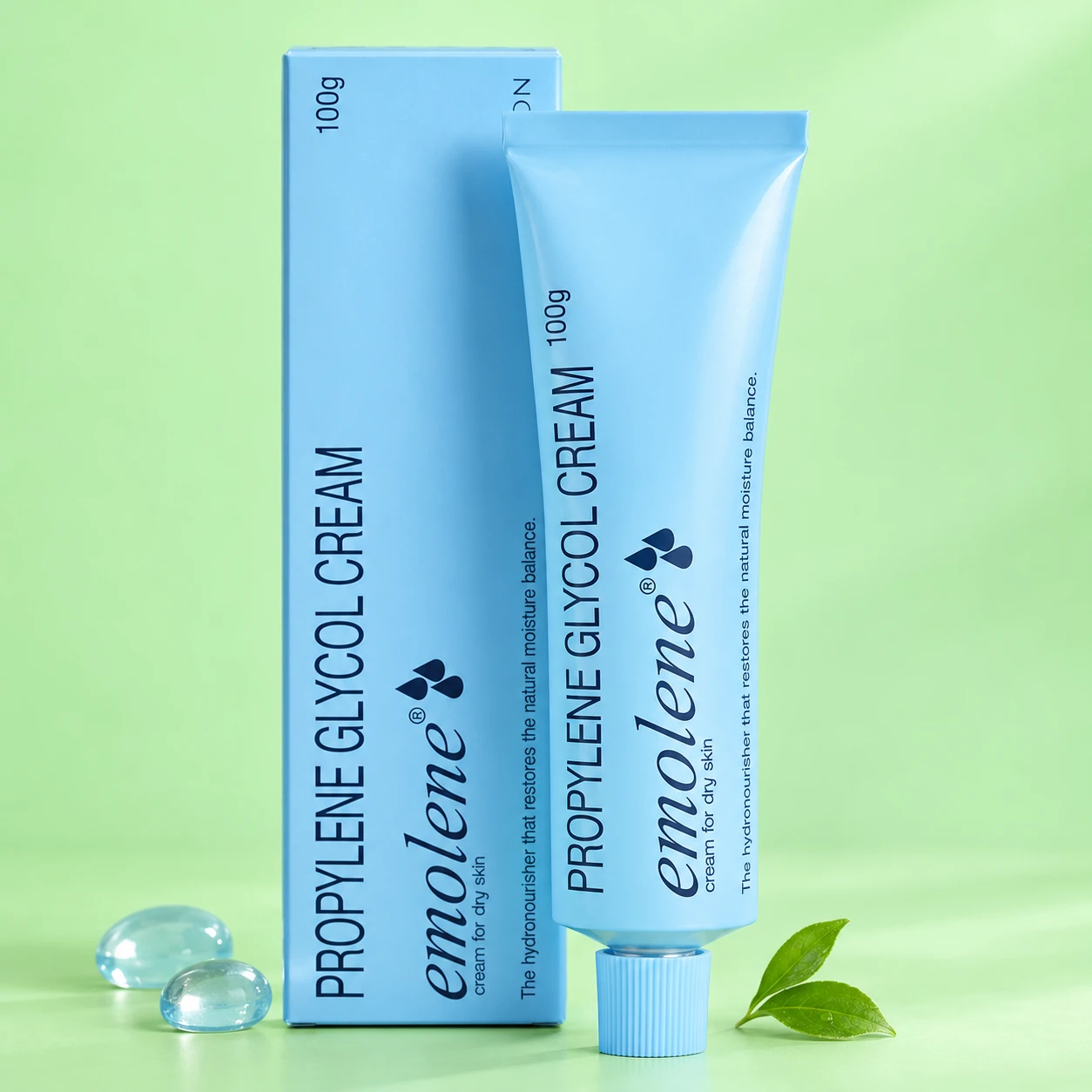
Emolene Cream Price in Bangladesh – Propylene Glycol Moisturising Cream for Very Dry Skin (100g)
Looking for the genuine Emolene cream price in Bangladesh? Emolene Propylene Glycol Cream (100g) by Fulford is a classic, dermatologist-prescribed emollient cream for dry, rough and scaly skin. Its combination of moisturising emollients and the humectant propylene glycol helps soften hard, flaky skin, restore moisture and protect the skin barrier. It is commonly recommended for very dry skin, winter dryness and conditions such as eczema and ichthyosis. Order the original 100g tube from Derma.com.bd at a competitive price, with fast delivery in Dhaka and home delivery across Bangladesh.
In this guide you will learn how Emolene works, who benefits most, how to use it on the face and body, and practical tips to manage dry skin effectively.
About Fulford
Fulford (India) Ltd is a pharmaceutical company with a long history in dermatology, and Emolene is one of its best-known products. It has been used for years by dermatologists as a dependable moisturiser for dry skin conditions. Explore more on our Fulford brand page.
What Is an Emollient?
An emollient is a moisturising product that softens and soothes the skin by covering it with a protective film and filling the gaps between dry skin cells. Emollients reduce water loss, relieve itching and help repair the skin barrier. They are a cornerstone of treatment for many dry skin conditions. The NHS guide to emollients explains how and why they are used.
Moisturisers generally work in three ways:
- Humectants draw water into the outer layer of skin (for example, propylene glycol and glycerin).
- Emollients smooth and soften rough skin by filling spaces between skin cells.
- Occlusives form a barrier that reduces water evaporation (for example, paraffin-based ingredients).
Emolene combines these actions in one cream.
Key Ingredients
Propylene Glycol
Propylene glycol is a humectant that attracts water and helps it penetrate the outer layer of the skin. At suitable concentrations, it also helps loosen and soften hard, scaly skin, which makes it useful for very dry and thickened skin.
Paraffin-Based Emollients
Light liquid paraffin and similar emollients form a protective layer on the skin, reducing moisture loss and leaving the skin soft and smooth.
Cream Base
The cream base allows the ingredients to spread easily and absorb into the skin without the heaviness of a pure ointment. Check the pack for the full ingredient list.
Benefits of Emolene Cream
- Deeply moisturises dry, very dry and rough skin
- Softens scaly, flaky and thickened patches
- Relieves tightness and itching caused by dryness
- Helps restore and protect the skin barrier
- Suitable for face and body
- Can be used as a daily emollient in eczema care
- Generous 100g tube for regular body use
- Trusted, dermatologist-recommended formula
Who Should Use Emolene?
- People with generally dry or very dry skin
- Those with winter dryness, rough elbows, knees, shins and heels
- People with eczema or atopic dermatitis, alongside treatment advised by a doctor
- People with ichthyosis or other scaly skin conditions, as recommended by a dermatologist
- Those using drying treatments such as tretinoin or benzoyl peroxide
- Older adults whose skin becomes drier with age
- People with dry skin due to frequent hand washing
How to Use Emolene Cream
- Wash the area with a mild, soap-free cleanser and lukewarm water.
- Pat the skin gently, leaving it slightly damp.
- Apply a generous amount and smooth it into the skin in the direction of hair growth.
- Use at least twice daily, and more often on very dry areas.
- Reapply after bathing, swimming or hand washing.
Tip: Emollients work best when used regularly and generously. Many people use too little. For the whole body, adults with very dry skin may need a large amount each week; ask your doctor how much is right for you.
Understanding Dry Skin (Xerosis)
Dry skin, medically called xerosis, occurs when the skin loses more water than it can hold. The outer layer becomes cracked and rough, nerve endings get irritated and itching begins. Scratching damages the skin further, creating an itch-scratch cycle. Causes include:
- Cold, dry weather and low humidity
- Long, hot baths and showers
- Harsh soaps and detergents
- Ageing
- Genetic conditions such as ichthyosis
- Eczema and psoriasis
- Thyroid problems, diabetes and kidney disease
- Certain medicines
The American Academy of Dermatology tips for relieving dry skin are a helpful reference.
Emolene for Eczema-Prone Skin
For people with eczema, regular emollient use is one of the most important steps to reduce dryness, itching and flare-ups. Emollients should be used every day, even when the skin looks clear. During flare-ups, your doctor may prescribe additional treatments such as topical steroids; in that case, apply the prescribed treatment first, wait around 20–30 minutes, then apply the emollient, or follow your doctor's specific instructions.
Tips to Manage Dry Skin
- Keep baths and showers short (5–10 minutes) and use lukewarm water.
- Use soap-free cleansers instead of regular soap.
- Moisturise within three minutes after bathing.
- Wear soft, breathable cotton clothes.
- Use mild, fragrance-free laundry detergent.
- Avoid scratching; keep nails short.
- Use a humidifier in dry, air-conditioned rooms if possible.
- Drink enough water and eat a balanced diet.
Body Areas That Need Extra Care
Hands
Frequent hand washing, sanitiser use, cooking and cleaning strip natural oils from the hands. Apply Emolene after every wash and at bedtime. For very dry, cracked hands, apply a thick layer at night and wear cotton gloves.
Feet and heels
The heels have thick skin that can crack painfully, especially in winter or if you walk barefoot or wear open sandals. Soak your feet in lukewarm water for 10 minutes, pat dry, apply Emolene generously and put on cotton socks overnight. Regular use helps soften hard skin and prevent new cracks.
Elbows and knees
These areas often become rough and darker due to friction and dryness. Daily moisturising helps soften the skin and may improve its appearance over time.
Shins and legs
The lower legs have fewer oil glands and often develop a scaly, "fish-scale" look in dry weather. Apply Emolene after every bath.
Seasonal Dry Skin in Bangladesh
Many people in Bangladesh only notice dry skin in winter, when cold, dry air and hotter showers combine to strip the skin's moisture. Itchy shins, cracked heels and rough hands become common. Start moisturising regularly before winter arrives to prevent problems. In summer, people who spend long hours in air-conditioned offices or who wash frequently can also develop dry skin. Adjust the amount of cream to the season and your skin's needs, but keep the habit year-round if your skin is naturally dry.
Dry Skin and Itching in Older Adults
As we age, the skin produces fewer natural oils and loses its ability to hold water. Many older adults experience persistent itching, especially on the legs and back, which can disturb sleep. Regular use of a good emollient after bathing, together with short lukewarm baths and soap-free cleansers, often brings significant relief. If itching is severe, widespread or comes with a rash, see a doctor, as it can sometimes be linked to other health conditions.
When to See a Dermatologist
Consult a dermatologist if your skin remains very dry despite regular moisturising, if you have red, inflamed, weeping or bleeding patches, thick scales, signs of infection, or itching that disturbs your sleep. These may indicate eczema, psoriasis, ichthyosis, fungal infection or another condition that needs specific treatment.
Precautions
- For external use only. Avoid contact with the eyes.
- Do not apply to infected or broken skin without medical advice.
- Some people may experience mild stinging, especially on cracked skin; this usually settles. Stop use if irritation persists or a rash develops.
- Paraffin-containing emollients can soak into clothing, bedding and dressings and make them more flammable. Keep away from open flames and do not smoke while wearing clothing that has absorbed the cream; change and wash bedding and clothes regularly.
- Store below 25°C. Keep out of reach of children.
Emolene vs Other Moisturisers
Emolene is a practical, effective option for very dry, rough and scaly skin, especially on the body. For sensitive facial skin that needs a lighter, fragrance-free barrier cream, consider Physiogel Daily Moisture Therapy Cream. For dry, rough skin that needs gentle exfoliating moisturisation, the Aquasoft FC Advanced Facial Cream is another option. For lightweight hydration on oily skin, try Hyalugel Hyaluronic Acid Gel. Browse the full dry and sensitive skin collection.
Using Emolene Alongside Acne and Anti-Ageing Treatments
Retinoids such as tretinoin and adapalene, and acne treatments like benzoyl peroxide, often cause dryness, peeling and irritation, especially in the first weeks. A good emollient helps you tolerate these treatments and stick with them long enough to see results. Apply your treatment as directed, allow it to absorb, then apply a thin layer of Emolene to the areas that feel dry or tight. If you have oily, acne-prone facial skin, use only a small amount on the face and focus on dry patches; a lighter facial moisturiser may suit you better for all-over use.
How Much Emollient Do You Need?
Dermatologists often say that the most common reason emollients "do not work" is that people use too little. For adults with generally dry skin, covering the whole body once may take a large dollop of cream. For localised dry areas, such as hands, heels or elbows, apply enough to leave a thin visible layer that absorbs over a few minutes. If you have eczema, your doctor may advise a weekly quantity to aim for. Keeping a tube in the bathroom and another near your bed makes regular use easier.
Why Buy From Derma.com.bd?
- 100% original Fulford products
- Competitive Emolene cream price in Bangladesh
- Fast delivery in Dhaka and nationwide
- Cash on delivery
- Properly stored stock with checked expiry dates
The current price is shown at the top of this page.
Frequently Asked Questions
What is the Emolene cream price in Bangladesh?
See the top of this page for the latest price of the original 100g tube.
Can I use Emolene on my face?
Yes, it can be used on the face and body. People with oily or acne-prone facial skin may prefer a lighter moisturiser for the face.
Is Emolene good for eczema?
It is commonly used as an emollient in eczema care. Use it daily alongside the treatment your doctor recommends.
Can children use Emolene?
It is often used for children with dry skin. For babies and infants, consult a doctor first.
How often should I apply it?
At least twice daily, and more often on very dry areas.
Is it greasy?
It is a rich cream but absorbs better than a pure ointment. Applying it on slightly damp skin helps it spread and absorb.
Can I use it for cracked heels?
Yes. Apply generously at night and wear cotton socks for better results.
Can I use it in summer?
Yes, especially on dry areas such as hands, heels and shins. Use a thinner layer in hot, humid weather.
Will it clog my pores?
On the body it is generally well tolerated. If you are very acne-prone, use a lighter, non-comedogenic product on the face.
How should I store it?
Store below 25°C with the cap closed, away from direct sunlight and heat sources.
Product Details
- Product: Emolene Propylene Glycol Cream
- Brand: Fulford (India) Ltd
- Size: 100g
- Key ingredients: Propylene glycol, paraffin-based emollients
- Skin type: Dry, very dry, rough and scaly skin
- Use: Face and body
Final Words
If dry, rough or itchy skin is making you uncomfortable, a reliable emollient can make a real difference. Emolene Cream has been trusted by dermatologists for years. Order the original Emolene Propylene Glycol Cream 100g at the best price in Bangladesh from Derma.com.bd today.
Disclaimer: For general information only, not medical advice. Consult a dermatologist for persistent or severe dry skin conditions.
Emolene Cream Price in Bangladesh – অতিশুষ্ক ত্বকের জন্য ইমোলিন প্রোপিলিন গ্লাইকল ক্রিম (১০০ গ্রাম)
বাংলাদেশে অরিজিনাল Emolene ক্রিমের দাম খুঁজছেন? ফুলফোর্ডের ইমোলিন প্রোপিলিন গ্লাইকল ক্রিম (১০০ গ্রাম) শুষ্ক, খসখসে ও আঁশযুক্ত ত্বকের জন্য চর্মরোগ বিশেষজ্ঞদের দীর্ঘদিনের পরিচিত একটি ইমোলিয়েন্ট ক্রিম। এতে থাকা ময়েশ্চারাইজিং ইমোলিয়েন্ট ও প্রোপিলিন গ্লাইকল শক্ত, খসখসে ত্বক নরম করে, আর্দ্রতা ফিরিয়ে আনে এবং স্কিন ব্যারিয়ার রক্ষা করে। অতিশুষ্ক ত্বক, শীতের শুষ্কতা, একজিমা ও ইকথিওসিসের মতো সমস্যায় এটি প্রায়ই ব্যবহার করা হয়। Derma.com.bd থেকে অরিজিনাল ১০০ গ্রাম টিউবটি সাশ্রয়ী দামে কিনুন, ঢাকায় দ্রুত ও সারা দেশে হোম ডেলিভারিসহ।
ফুলফোর্ড সম্পর্কে
ফুলফোর্ড (ইন্ডিয়া) লিমিটেড চর্মরোগ চিকিৎসায় দীর্ঘ অভিজ্ঞতাসম্পন্ন একটি ফার্মাসিউটিক্যাল কোম্পানি। আরও দেখুন Fulford ব্র্যান্ড পেজে।
ইমোলিয়েন্ট কী?
ইমোলিয়েন্ট এমন ময়েশ্চারাইজার, যা ত্বকের ওপর সুরক্ষা স্তর তৈরি করে এবং শুষ্ক কোষের মাঝের ফাঁক পূরণ করে ত্বক নরম ও মসৃণ রাখে। এটি পানি হারানো কমায়, চুলকানি উপশম করে এবং স্কিন ব্যারিয়ার মেরামতে সাহায্য করে। বিস্তারিত জানতে দেখুন NHS ইমোলিয়েন্ট গাইড।
- হিউমেক্ট্যান্ট (যেমন প্রোপিলিন গ্লাইকল) ত্বকে পানি টেনে আনে।
- ইমোলিয়েন্ট খসখসে ত্বক নরম ও মসৃণ করে।
- অক্লুসিভ (যেমন প্যারাফিন) পানি বাষ্প হয়ে যাওয়া আটকায়।
ইমোলিন এই তিনটি কাজ একসাথে করে।
মূল উপাদান
- প্রোপিলিন গ্লাইকল: পানি আকর্ষণ করে ত্বকের বাইরের স্তরে পৌঁছাতে সাহায্য করে এবং শক্ত, আঁশযুক্ত ত্বক নরম করে।
- প্যারাফিনভিত্তিক ইমোলিয়েন্ট: সুরক্ষা স্তর তৈরি করে আর্দ্রতা ধরে রাখে।
- ক্রিম বেস: সহজে ছড়ায় ও শোষিত হয়, অয়েন্টমেন্টের মতো ভারী নয়।
উপকারিতা
- শুষ্ক, অতিশুষ্ক ও খসখসে ত্বক গভীরভাবে আর্দ্র করে
- আঁশযুক্ত ও শক্ত ত্বক নরম করে
- শুষ্কতাজনিত টানটান ভাব ও চুলকানি কমায়
- স্কিন ব্যারিয়ার রক্ষা করে
- মুখ ও শরীর দুই জায়গায় ব্যবহারযোগ্য
- একজিমার দৈনিক ইমোলিয়েন্ট হিসেবে ব্যবহার করা যায়
- বড় ১০০ গ্রাম টিউব, শরীরে নিয়মিত ব্যবহারের জন্য উপযুক্ত
কারা ব্যবহার করবেন?
- শুষ্ক বা অতিশুষ্ক ত্বকের মানুষ
- শীতে কনুই, হাঁটু, পায়ের নলা ও গোড়ালি খসখসে হয় যাদের
- একজিমা বা অ্যাটোপিক ডার্মাটাইটিস (ডাক্তারের চিকিৎসার পাশাপাশি)
- ইকথিওসিস বা আঁশযুক্ত ত্বকের সমস্যা
- ট্রেটিনয়িন বা বেনজয়েল পারক্সাইডে ত্বক শুকিয়ে যায় যাদের
- বয়স্ক ব্যক্তি, যাদের ত্বক বয়সের সাথে শুষ্ক হয়
- বারবার হাত ধোয়ায় হাত শুকিয়ে যায় যাদের
ব্যবহারের নিয়ম
- মৃদু, সাবানমুক্ত ক্লিনজার ও কুসুম গরম পানি দিয়ে ধুয়ে নিন।
- আলতো করে মুছে ত্বক সামান্য ভেজা রাখুন।
- পর্যাপ্ত পরিমাণে ক্রিম নিয়ে লোমের দিকে লাগান।
- দিনে অন্তত দুবার, খুব শুষ্ক জায়গায় আরও বেশিবার ব্যবহার করুন।
- গোসল বা হাত ধোয়ার পর আবার লাগান।
অনেকে খুব কম পরিমাণে ইমোলিয়েন্ট ব্যবহার করেন, তাই ফল পান না। নিয়মিত ও পর্যাপ্ত পরিমাণে ব্যবহার করুন।
শরীরের যেসব জায়গায় বাড়তি যত্ন দরকার
হাত: প্রতিবার হাত ধোয়ার পর ও ঘুমানোর আগে লাগান। খুব ফাটা হলে রাতে ঘন করে লাগিয়ে সুতি গ্লাভস পরুন।
পা ও গোড়ালি: ১০ মিনিট কুসুম গরম পানিতে পা ভিজিয়ে মুছে নিন, ভালো করে ইমোলিন লাগিয়ে রাতে সুতি মোজা পরুন।
কনুই ও হাঁটু: ঘর্ষণ ও শুষ্কতায় খসখসে ও কালচে হয়, প্রতিদিন ময়েশ্চারাইজ করুন।
পায়ের নলা: শুষ্ক আবহাওয়ায় মাছের আঁশের মতো দেখায়, প্রতিবার গোসলের পর লাগান।
শুষ্ক ত্বকের কারণ
- শীতের ঠান্ডা ও শুষ্ক বাতাস
- লম্বা সময় গরম পানিতে গোসল
- কড়া সাবান ও ডিটারজেন্ট
- বয়স বৃদ্ধি
- ইকথিওসিসের মতো জিনগত সমস্যা
- একজিমা ও সোরিয়াসিস
- থাইরয়েড, ডায়াবেটিস ও কিডনির রোগ
আরও টিপস: American Academy of Dermatology।
একজিমায় ইমোলিন
একজিমায় ত্বক ভালো দেখালেও প্রতিদিন ইমোলিয়েন্ট ব্যবহার করা জরুরি। ফ্লেয়ার-আপের সময় ডাক্তার স্টেরয়েড ক্রিম দিলে আগে সেটি লাগিয়ে ২০–৩০ মিনিট পর ইমোলিন লাগান, অথবা ডাক্তারের নির্দেশনা মানুন।
শুষ্ক ত্বক নিয়ন্ত্রণের টিপস
- গোসল ৫–১০ মিনিটে সারুন এবং কুসুম গরম পানি ব্যবহার করুন।
- সাধারণ সাবানের বদলে সাবানমুক্ত ক্লিনজার ব্যবহার করুন।
- গোসলের তিন মিনিটের মধ্যে ময়েশ্চারাইজার লাগান।
- নরম সুতি কাপড় পরুন এবং মৃদু, সুগন্ধিমুক্ত ডিটারজেন্ট ব্যবহার করুন।
- চুলকাবেন না, নখ ছোট রাখুন।
- পর্যাপ্ত পানি পান করুন।
বাংলাদেশে ঋতুভেদে শুষ্ক ত্বক
অনেকে শুধু শীতকালে শুষ্ক ত্বক টের পান, যখন ঠান্ডা বাতাস ও গরম পানির গোসল মিলে ত্বকের আর্দ্রতা কেড়ে নেয়। পায়ের নলায় চুলকানি, গোড়ালি ফাটা ও হাত খসখসে হওয়া তখন খুব সাধারণ। শীত আসার আগেই নিয়মিত ময়েশ্চারাইজ শুরু করলে সমস্যা কম হয়। গরমেও যারা দীর্ঘক্ষণ এসিতে থাকেন বা বারবার ধোয়াধুয়ি করেন, তাদের ত্বক শুষ্ক হতে পারে।
বয়স্কদের শুষ্ক ত্বক ও চুলকানি
বয়স বাড়লে ত্বক কম তেল তৈরি করে এবং পানি ধরে রাখার ক্ষমতা কমে যায়। অনেক বয়স্ক মানুষের পায়ে ও পিঠে চুলকানি হয়, যা ঘুমেও ব্যাঘাত ঘটায়। গোসলের পর নিয়মিত ইমোলিয়েন্ট, ছোট কুসুম গরম গোসল ও সাবানমুক্ত ক্লিনজারে সাধারণত অনেক আরাম পাওয়া যায়। চুলকানি খুব বেশি বা র্যাশসহ হলে ডাক্তার দেখান।
কখন চর্মরোগ বিশেষজ্ঞ দেখাবেন?
নিয়মিত ময়েশ্চারাইজ করার পরও ত্বক খুব শুষ্ক থাকলে, লাল, পানি পড়া বা রক্তপাতযুক্ত দাগ, পুরু আঁশ, সংক্রমণের লক্ষণ বা ঘুম ভাঙানো চুলকানি থাকলে চর্মরোগ বিশেষজ্ঞ দেখান।
সতর্কতা
- শুধু বাহ্যিক ব্যবহারের জন্য, চোখে লাগাবেন না।
- সংক্রমিত বা কাটা ত্বকে ডাক্তারের পরামর্শ ছাড়া লাগাবেন না।
- ফাটা ত্বকে হালকা জ্বালা হতে পারে, স্থায়ী হলে বন্ধ করুন।
- প্যারাফিনযুক্ত ক্রিম কাপড় ও বিছানায় শোষিত হয়ে আগুনের ঝুঁকি বাড়াতে পারে। আগুন থেকে দূরে থাকুন, ধূমপান করবেন না এবং নিয়মিত কাপড় ও বিছানার চাদর ধুয়ে নিন।
- ২৫°C-এর নিচে ও শিশুদের নাগালের বাইরে রাখুন।
অন্যান্য বিকল্প
সংবেদনশীল মুখের জন্য হালকা ব্যারিয়ার ক্রিম চাইলে Physiogel ক্রিম, খসখসে ত্বকের জন্য Aquasoft FC ক্রিম, আর তৈলাক্ত ত্বকে হালকা আর্দ্রতার জন্য Hyalugel জেল। পুরো কালেকশন: ড্রাই ও সেনসিটিভ স্কিন।
কেন Derma.com.bd?
- ১০০% অরিজিনাল ফুলফোর্ড
- সাশ্রয়ী Emolene cream price in Bangladesh
- ঢাকায় দ্রুত ও সারা দেশে ডেলিভারি, ক্যাশ অন ডেলিভারি
সাধারণ জিজ্ঞাসা
বাংলাদেশে ইমোলিন ক্রিমের দাম কত?
সর্বশেষ দাম এই পেজের উপরে দেখুন।
মুখে ব্যবহার করা যাবে?
হ্যাঁ। তবে তৈলাক্ত বা ব্রণপ্রবণ মুখে হালকা ময়েশ্চারাইজার বেশি উপযুক্ত হতে পারে।
বাচ্চারা ব্যবহার করতে পারবে?
শুষ্ক ত্বকের বাচ্চাদের প্রায়ই দেওয়া হয়। শিশু ও নবজাতকের ক্ষেত্রে আগে ডাক্তারের পরামর্শ নিন।
গোড়ালি ফাটায় কাজ করে?
হ্যাঁ, রাতে ভালো করে লাগিয়ে সুতি মোজা পরুন।
দিনে কতবার লাগাব?
অন্তত দুবার, খুব শুষ্ক জায়গায় আরও বেশিবার। গোসল ও হাত ধোয়ার পর অবশ্যই লাগান।
এটি কি তেলতেলে?
এটি সমৃদ্ধ ক্রিম, তবে অয়েন্টমেন্টের চেয়ে ভালো শোষিত হয়। সামান্য ভেজা ত্বকে লাগালে সহজে ছড়ায়।
ট্রেটিনয়িনের সাথে ব্যবহার করা যাবে?
হ্যাঁ। আগে ওষুধ লাগিয়ে শুকাতে দিন, তারপর শুষ্ক জায়গায় পাতলা করে ইমোলিন লাগান।
দ্রষ্টব্য: সাধারণ তথ্যের জন্য। দীর্ঘস্থায়ী বা গুরুতর শুষ্ক ত্বকে চর্মরোগ বিশেষজ্ঞের পরামর্শ নিন।
Write a Review
Customer Reviews (0)
No reviews yet. Be the first to review this product!