
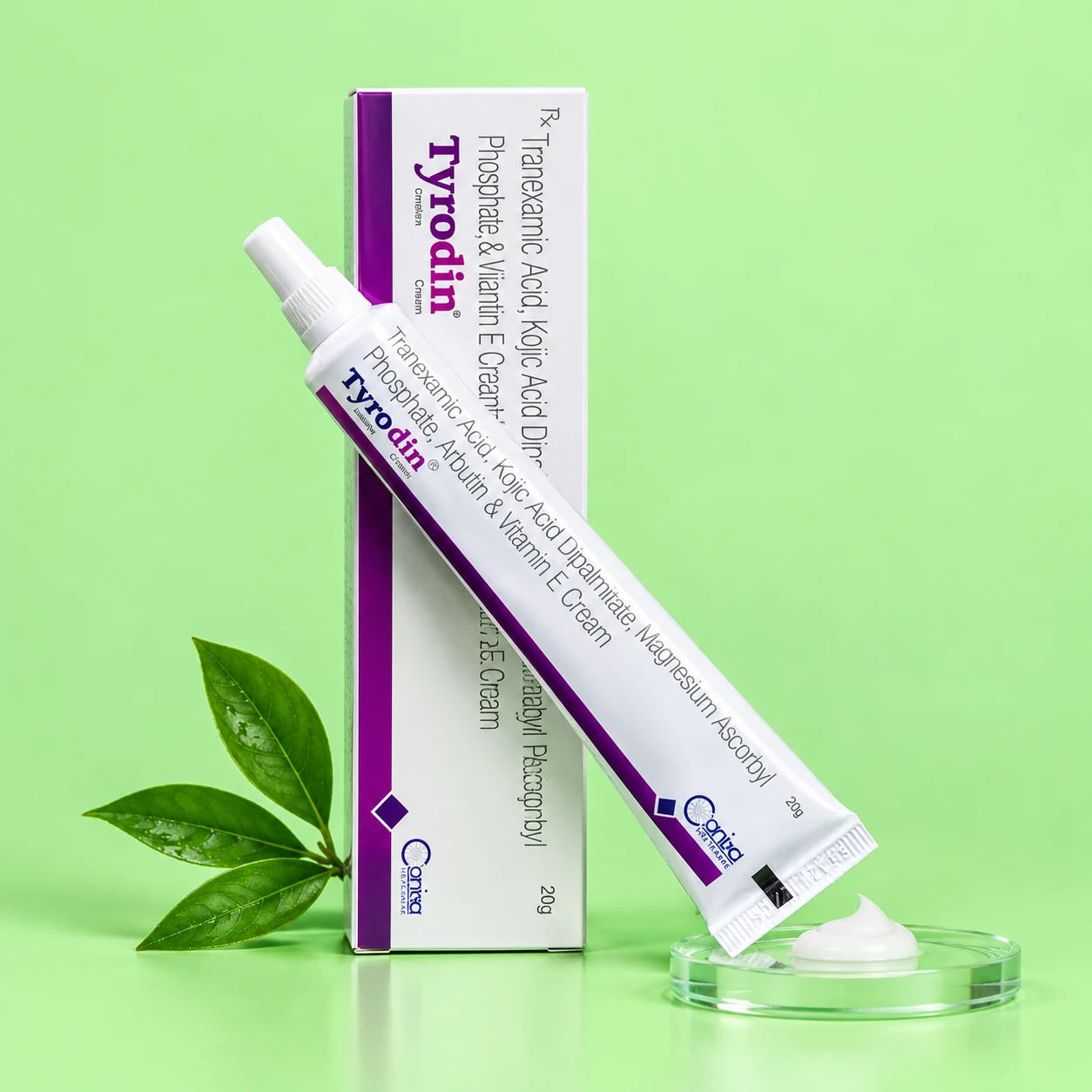
Tyrodin Cream Price in Bangladesh – Canixa Tyrodin Tranexamic Acid & Kojic Acid Cream
Searching for the original Tyrodin cream price in Bangladesh? Canixa Tyrodin Tranexamic Acid & Kojic Acid Cream is a non-hydroquinone depigmenting cream designed to help reduce melasma, dark spots, sun tan and uneven skin tone. It combines tranexamic acid, which calms the signals that trigger pigment production, with kojic acid, which blocks the enzyme that makes melanin. Together they provide a dual approach to brighter, more even skin. Order the authentic product from Derma.com.bd at a competitive price, with fast delivery in Dhaka and nationwide home delivery.
This guide explains how tranexamic acid and kojic acid work, who Tyrodin is suitable for, how to use it, what to expect and how to keep pigmentation from coming back.
About Canixa Life Sciences
Canixa Life Sciences is a dermatology-focused company offering targeted treatments for acne and pigmentation, including Tyrodin and Zitcare-S. Explore more on our Canixa brand page.
Key Ingredients
Tranexamic Acid
Tranexamic acid was originally used in medicine to reduce bleeding. Dermatologists later observed that it also improves melasma. Applied to the skin, it is thought to interfere with the interaction between skin cells and pigment cells, particularly the inflammatory and vascular signals triggered by UV light that stimulate melanin production. It is valued for being effective against stubborn pigmentation while being gentler than hydroquinone.
Kojic Acid
Kojic acid is derived from fungi used in fermenting rice. It inhibits tyrosinase, the key enzyme in melanin synthesis, reducing the formation of new pigment and helping existing dark spots fade as the skin renews itself. It also has antioxidant properties.
Why Combine Them?
Tranexamic acid works "upstream" by reducing the triggers that tell pigment cells to become active, while kojic acid works "downstream" by blocking melanin production itself. Targeting both steps can give a more effective and balanced result than either ingredient alone.
Benefits of Tyrodin Cream
- Helps reduce melasma patches
- Fades dark spots, sun spots and post-acne marks
- Reduces sun tan and evens skin tone
- Dual-action, hydroquinone-free and steroid-free formula
- Suitable for longer-term use than harsher depigmenting agents, under guidance
- Can be used as maintenance after stronger melasma treatments
Who Should Use Tyrodin?
- People with melasma or hormonal pigmentation
- Those with post-inflammatory hyperpigmentation after acne
- People with sun tanning and uneven tone
- Those who cannot use or wish to avoid hydroquinone
- People needing maintenance after triple-combination therapy
People with very sensitive skin should patch test first, as kojic acid can irritate some skin types.
How to Use Tyrodin Cream
- Wash your face with a mild cleanser and pat dry.
- Apply a thin layer to the pigmented areas, or the whole face for melasma, as directed by your doctor.
- Massage gently until absorbed.
- Use once daily at night initially; your doctor may advise twice daily.
- Apply a moisturiser if your skin feels dry.
- Use a broad-spectrum sunscreen SPF 50 every morning.
Using Tyrodin on Body Areas
Pigmentation on the neck, underarms, elbows and knees is often caused by friction, sweating and shaving. Tyrodin can be applied to these areas after a patch test, but the skin there is thinner and more sensitive, so start with alternate nights. Wearing loose cotton clothing, avoiding harsh scrubbing and using gentle hair removal methods help prevent further darkening. Velvety, thickened dark patches on the neck or underarms can be a sign of insulin resistance and should be checked by a doctor.
Tips for Best Results
- Apply consistently every night rather than occasionally.
- Use a thin layer; more product does not mean faster results.
- Apply to the whole affected zone for melasma, not just the darkest spots.
- Pair with sunscreen every day without exception.
- Moisturise to keep your skin barrier healthy.
What Results to Expect
Pigmentation improves gradually. Many people notice early lightening after four to six weeks, with more noticeable improvement after eight to twelve weeks of consistent use and strict sun protection. Melasma is a chronic condition and may recur with sun exposure or hormonal changes, so ongoing maintenance is important.
Understanding Melasma and Hyperpigmentation
Melasma appears as symmetrical brown or grey-brown patches on the cheeks, forehead, nose and upper lip. It is common in women and in people with South Asian skin. Sun exposure, visible light, hormones, heat and genetics are the main triggers. Post-inflammatory hyperpigmentation, by contrast, appears as flat marks after acne, insect bites or injuries. Both respond to tyrosinase inhibitors and tranexamic acid, but melasma needs especially strict, long-term sun protection. Read more in the DermNet melasma guide and the American Academy of Dermatology melasma overview.
Melasma vs Other Dark Spots
- Melasma: Larger, symmetrical patches, often hormonal and sun-related, and tends to recur.
- Post-inflammatory hyperpigmentation: Flat marks after acne, bites, rashes or injuries; usually fades over months.
- Sun spots: Well-defined brown spots on sun-exposed skin, more common with age.
- Tanning: General darkening of exposed skin after sun exposure.
- Friction darkening: On the neck, underarms, elbows and knees.
Tyrodin can help with the appearance of several of these. However, any spot that changes in size, shape or colour, bleeds or itches should be checked by a doctor.
Why Gentle Treatment Matters for Brown Skin
South Asian skin readily produces extra pigment when irritated. Aggressive treatments such as strong home peels, scrubs or unregulated creams containing hidden steroids can worsen pigmentation and damage the skin. Gentle, consistent treatment with well-tolerated actives like tranexamic acid, kojic acid and niacinamide, combined with strict sun protection, is safer and more sustainable. Learn about the risks of unsafe products in the DermNet guide to bleaching agents.
Sun Protection: The Non-Negotiable Step
UV rays and visible light are the strongest triggers of melasma and dark spots. Without daily protection, any depigmenting cream will struggle. Use SPF 50 broad-spectrum sunscreen, preferably tinted, every morning. Reapply every two to three hours outdoors and use umbrellas, hats or scarves in strong Bangladeshi sunlight. Even indoor light near windows can affect melasma.
Tyrodin in a Treatment Plan
For mild pigmentation, Tyrodin with sunscreen may be sufficient. For moderate to severe melasma, a dermatologist may prescribe a short course of a triple-combination cream such as Melacare or Triluma, then switch to steroid-free maintenance with Tyrodin. Other gentle options include CARE:NEL Anti-Melasma Cica Cream and Demelan Cream. Browse our uneven skin tone collection and dark spots collection.
How Pigmentation Forms in the Skin
Pigment cells called melanocytes sit in the lower layer of the epidermis. When they are stimulated by UV light, visible light, heat, hormones or inflammation, they increase production of melanin inside small packets called melanosomes. The enzyme tyrosinase drives this process. Melanosomes are then transferred to surrounding skin cells, which carry the pigment towards the surface. In melasma, the melanocytes are overactive, and there is also evidence of increased blood vessel activity and changes in the deeper skin that keep stimulating pigment production. This is why melasma is persistent and why combining treatments that act at different levels, such as tranexamic acid and kojic acid, can be helpful.
Topical vs Oral Tranexamic Acid
Tranexamic acid is used both topically and, in some cases, orally for melasma. Oral tranexamic acid is a prescription medicine that requires careful medical screening because it affects blood clotting and is not suitable for everyone, including people with a history of blood clots. Topical tranexamic acid, as in Tyrodin, acts locally on the skin and is much simpler to use. Never take oral tranexamic acid for skin purposes without a doctor's supervision.
A Sample Anti-Pigmentation Routine
Morning: Gentle cleanser → niacinamide serum or light moisturiser → tinted SPF 50 sunscreen.
Night: Gentle cleanser → Tyrodin Cream → moisturiser if your skin feels dry.
Every two weeks: Take photos in the same light to track progress.
Keep the routine simple. Adding many strong actives at the same time can irritate the skin, and irritation itself can trigger more pigmentation on brown skin.
Common Triggers to Avoid
- Unprotected sun exposure, even short commutes
- Heat from cooking or saunas
- Harsh scrubs, home remedies like lemon juice, and unregulated fairness creams
- Picking at pimples or spots
- Waxing or threading over pigmented areas during treatment
- Hormonal triggers; discuss options with your doctor if relevant
Lifestyle Support for Even Skin
- Eat a diet rich in fruits and vegetables for antioxidants.
- Stay hydrated and sleep well.
- Manage stress, which can affect hormones and skin.
- Avoid smoking.
- Be patient and consistent: pigmentation responds over months, not days.
How to Spot a Genuine Product
Check that the pack is sealed and clearly printed with a batch number and expiry date. Buy from trusted stores such as Derma.com.bd rather than unknown sellers offering unusually low prices.
Possible Side Effects
- Mild redness, stinging or itching, especially at the start
- Dryness or peeling
- Contact allergy to kojic acid in some people
Reduce frequency if mild irritation occurs; stop and seek advice for significant reactions.
Precautions
- For external use only. Avoid eyes, lips and broken skin.
- Patch test before first use.
- Consult your doctor if pregnant or breastfeeding.
- Avoid combining with several other strong actives without advice.
- Store below 25°C, away from light. Keep out of reach of children.
When to See a Dermatologist
Consult a dermatologist if your pigmentation is extensive, very dark, spreading, or not improving after three months of consistent treatment and sun protection. A doctor can confirm whether it is melasma, post-inflammatory hyperpigmentation or another condition, and may recommend prescription creams, chemical peels or other procedures. Seek urgent advice for any spot that changes rapidly.
Seasonal Tips for Bangladesh
Summer and the pre-monsoon months bring the strongest sunlight, so be extra careful with sunscreen, reapplication and physical protection. During the monsoon, UV still passes through clouds. In winter, skin can become drier, so pair Tyrodin with a good moisturiser to prevent irritation.
Why Buy From Derma.com.bd?
- 100% original Canixa Tyrodin
- Competitive Tyrodin cream price in Bangladesh
- Fast delivery in Dhaka and nationwide
- Cash on delivery
- Products stored properly with checked expiry dates
The current price is shown at the top of this page.
Frequently Asked Questions
What is the Tyrodin cream price in Bangladesh?
See the top of this page for the latest price.
Is Tyrodin good for melasma?
Yes. Its tranexamic acid and kojic acid combination is designed to help reduce melasma and dark spots.
Does Tyrodin contain hydroquinone or steroids?
No. It is a hydroquinone-free and steroid-free formula.
How long should I use it?
Results usually appear in 8–12 weeks. Many people continue as maintenance under a doctor's guidance.
Can men use Tyrodin?
Yes, it suits men and women.
Can I use it with niacinamide?
Yes, niacinamide pairs well and adds extra brightening and barrier support.
Can I use Tyrodin during pregnancy?
Consult your doctor first. Many pigmentation treatments are avoided during pregnancy, and strict sun protection is the safest first step.
Can I apply it under makeup?
Yes, if used in the morning, let it absorb, apply sunscreen, then makeup.
Will my melasma come back after stopping?
Melasma often recurs without ongoing sun protection and maintenance. Keep using sunscreen and a gentle brightening routine.
Product Details
- Product: Tyrodin Tranexamic Acid & Kojic Acid Cream
- Brand: Canixa Life Sciences
- Key ingredients: Tranexamic Acid, Kojic Acid
- Concerns: Melasma, dark spots, sun tan, uneven tone
Final Words
Tyrodin offers a dual-action, hydroquinone-free approach to melasma and dark spots. Use it consistently with strict sun protection for the best results. Order the original Tyrodin Cream at the best price in Bangladesh from Derma.com.bd today.
Disclaimer: For general information only, not medical advice. Consult a dermatologist for melasma diagnosis and treatment.
Tyrodin Cream Price in Bangladesh – ক্যানিক্সা টাইরোডিন ট্রানেক্সামিক অ্যাসিড ও কোজিক অ্যাসিড ক্রিম
বাংলাদেশে অরিজিনাল Tyrodin ক্রিমের দাম খুঁজছেন? ক্যানিক্সা টাইরোডিন ট্রানেক্সামিক অ্যাসিড ও কোজিক অ্যাসিড ক্রিম একটি হাইড্রোকুইনোনমুক্ত ডিপিগমেন্টিং ক্রিম, যা মেছতা, কালো দাগ, রোদের ট্যান ও অসমান ত্বকের রং কমাতে সাহায্য করে। ট্রানেক্সামিক অ্যাসিড পিগমেন্ট তৈরির সংকেত শান্ত করে, আর কোজিক অ্যাসিড মেলানিন তৈরির এনজাইম আটকায়। দুইয়ের সমন্বয়ে উজ্জ্বল ও সমান ত্বকের জন্য দ্বিমুখী কাজ হয়। Derma.com.bd থেকে অরিজিনাল প্রোডাক্টটি সাশ্রয়ী দামে অর্ডার করুন, ঢাকায় দ্রুত ও সারা দেশে হোম ডেলিভারি।
ক্যানিক্সা সম্পর্কে
ক্যানিক্সা লাইফ সায়েন্সেস ব্রণ ও পিগমেন্টেশনের চিকিৎসায় কাজ করা একটি ডার্মাটোলজি কোম্পানি। আরও দেখুন Canixa ব্র্যান্ড পেজে।
মূল উপাদান
ট্রানেক্সামিক অ্যাসিড
এটি মূলত রক্তপাত কমানোর ওষুধ ছিল, পরে দেখা যায় এটি মেছতাও কমায়। ত্বকে লাগালে রোদের কারণে তৈরি প্রদাহ ও রক্তনালির সংকেত কমিয়ে পিগমেন্ট কোষের সক্রিয়তা কমায়। হাইড্রোকুইনোনের চেয়ে মৃদু হলেও জেদি পিগমেন্টেশনে কার্যকর।
কোজিক অ্যাসিড
চাল গাঁজনের ছত্রাক থেকে পাওয়া এই উপাদান টাইরোসিনেজ এনজাইম আটকে নতুন পিগমেন্ট তৈরি কমায় এবং ত্বকের নবায়নের সাথে পুরোনো দাগ হালকা করে।
কেন একসাথে?
ট্রানেক্সামিক অ্যাসিড "উৎসে" পিগমেন্ট কোষ সক্রিয় হওয়ার সংকেত কমায়, আর কোজিক অ্যাসিড মেলানিন তৈরিই আটকায়। দুই ধাপে কাজ করায় ফল বেশি ভারসাম্যপূর্ণ হয়।
উপকারিতা
- মেছতার ছোপ কমাতে সাহায্য করে
- কালো দাগ, রোদের দাগ ও ব্রণের দাগ হালকা করে
- ট্যান কমিয়ে রং সমান করে
- হাইড্রোকুইনোন ও স্টেরয়েডমুক্ত
- কড়া চিকিৎসার পর রক্ষণাবেক্ষণে উপযোগী
কারা ব্যবহার করবেন?
- মেছতা বা হরমোনজনিত পিগমেন্টেশন
- ব্রণের পরের বাদামি দাগ
- রোদের ট্যান ও অসমান রং
- যারা হাইড্রোকুইনোন এড়াতে চান
- ট্রিপল-কম্বিনেশন চিকিৎসার পর রক্ষণাবেক্ষণ
খুব সংবেদনশীল ত্বকে আগে প্যাচ টেস্ট করুন।
ব্যবহারের নিয়ম
- মৃদু ক্লিনজারে মুখ ধুয়ে মুছে নিন।
- দাগের জায়গায় বা মেছতায় পুরো মুখে পাতলা করে লাগান।
- আলতো ম্যাসাজ করে মিশিয়ে দিন।
- শুরুতে রাতে একবার, ডাক্তার বললে দিনে দুবার।
- শুষ্ক লাগলে ময়েশ্চারাইজার।
- প্রতিদিন সকালে SPF 50 সানস্ক্রিন।
কী ফল আশা করবেন?
অনেকে ৪–৬ সপ্তাহে হালকা উন্নতি দেখেন, ৮–১২ সপ্তাহ নিয়মিত ব্যবহার ও কঠোর সানস্ক্রিনে আরও স্পষ্ট ফল আসে। মেছতা দীর্ঘমেয়াদি সমস্যা, রোদ বা হরমোনের পরিবর্তনে ফিরে আসতে পারে, তাই রক্ষণাবেক্ষণ জরুরি।
মেছতা ও হাইপারপিগমেন্টেশন
মেছতায় গাল, কপাল, নাক ও ঠোঁটের ওপর দুই পাশে একই রকম বাদামি ছোপ পড়ে, নারী ও দক্ষিণ এশীয়দের মধ্যে বেশি। রোদ, দৃশ্যমান আলো, হরমোন, তাপ ও বংশগত কারণ দায়ী। ব্রণ বা আঘাতের পর সমতল দাগকে পোস্ট-ইনফ্ল্যামেটরি হাইপারপিগমেন্টেশন বলে। বিস্তারিত: DermNet ও American Academy of Dermatology।
পিগমেন্ট কীভাবে তৈরি হয়
ত্বকের নিচের স্তরের মেলানোসাইট রোদ, তাপ, হরমোন বা প্রদাহে সক্রিয় হয়ে টাইরোসিনেজ এনজাইমের সাহায্যে মেলানিন তৈরি করে এবং তা উপরের কোষে পাঠায়। মেছতায় এই কোষগুলো অতিসক্রিয় থাকে এবং গভীর স্তর থেকে বারবার উদ্দীপনা আসে। তাই বিভিন্ন ধাপে কাজ করা উপাদানের সমন্বয় উপকারী।
সানস্ক্রিন বাধ্যতামূলক
অতিবেগুনি রশ্মি ও দৃশ্যমান আলো মেছতার সবচেয়ে বড় কারণ। প্রতিদিন SPF 50 টিন্টেড সানস্ক্রিন, বাইরে ২–৩ ঘণ্টা পরপর আবার লাগান এবং ছাতা, টুপি বা ওড়না ব্যবহার করুন।
চিকিৎসা পরিকল্পনায় টাইরোডিন
হালকা পিগমেন্টেশনে টাইরোডিন ও সানস্ক্রিনই যথেষ্ট হতে পারে। গুরুতর মেছতায় ডাক্তার স্বল্প সময়ের জন্য Melacare বা Triluma দিয়ে পরে টাইরোডিনে রক্ষণাবেক্ষণ করতে পারেন। অন্যান্য মৃদু বিকল্প CARE:NEL ও Demelan। দেখুন আনইভেন স্কিন টোন ও ডার্ক স্পটস কালেকশন।
ত্বকে লাগানো বনাম মুখে খাওয়া ট্রানেক্সামিক অ্যাসিড
মেছতায় কখনো মুখে খাওয়ার ট্রানেক্সামিক অ্যাসিডও দেওয়া হয়, তবে এটি প্রেসক্রিপশন ওষুধ, রক্ত জমাট বাঁধায় প্রভাব ফেলে এবং রক্ত জমাটের ইতিহাস থাকলে নিরাপদ নয়। টাইরোডিনের মতো ক্রিম শুধু ত্বকে কাজ করে এবং ব্যবহার সহজ। ত্বকের জন্য ডাক্তারের তত্ত্বাবধান ছাড়া কখনো মুখে খাওয়ার ট্রানেক্সামিক অ্যাসিড খাবেন না।
নমুনা রুটিন
সকালে: মৃদু ক্লিনজার → নিয়াসিনামাইড সিরাম বা হালকা ময়েশ্চারাইজার → টিন্টেড SPF 50।
রাতে: মৃদু ক্লিনজার → টাইরোডিন → শুষ্ক লাগলে ময়েশ্চারাইজার।
প্রতি দুই সপ্তাহে: একই আলোতে ছবি তুলে অগ্রগতি দেখুন।
একসাথে অনেক কড়া অ্যাক্টিভ ব্যবহার করলে জ্বালা হয়, আর বাদামি ত্বকে জ্বালা থেকেই নতুন দাগ পড়ে।
যেসব কারণ এড়িয়ে চলবেন
- অল্প সময়ের যাতায়াতেও অরক্ষিত রোদ
- রান্নার চুলার তাপ
- কড়া স্ক্রাব, লেবুর রস ও অনিয়ন্ত্রিত ফর্সাকারী ক্রিম
- ব্রণ বা দাগ খোঁটা
- চিকিৎসার সময় দাগের ওপর ওয়াক্সিং বা থ্রেডিং
শরীরের কালো জায়গায় ব্যবহার
ঘাড়, বগল, কনুই ও হাঁটুর কালচে ভাব প্রায়ই ঘর্ষণ, ঘাম ও শেভিংয়ের কারণে হয়। প্যাচ টেস্টের পর একদিন পরপর লাগিয়ে শুরু করুন। ঢিলেঢালা সুতি পোশাক পরুন। ঘাড় বা বগলে মখমলের মতো পুরু কালো ছোপ থাকলে ডাক্তার দেখিয়ে রক্তে শর্করা পরীক্ষা করান।
কখন চর্মরোগ বিশেষজ্ঞ দেখাবেন?
দাগ খুব বিস্তৃত, খুব গাঢ়, ছড়াচ্ছে বা তিন মাস নিয়মিত চিকিৎসা ও সানস্ক্রিনেও না কমলে বিশেষজ্ঞ দেখান। কোনো দাগ দ্রুত বদলালে দেরি করবেন না।
মেছতা বনাম অন্যান্য দাগ
- মেছতা: বড়, দুই পাশে একই রকম ছোপ, হরমোন ও রোদের সাথে সম্পর্কিত, বারবার ফিরে আসে।
- ব্রণের দাগ: ব্রণ, পোকার কামড় বা আঘাতের পর সমতল দাগ, কয়েক মাসে কমে।
- রোদের দাগ: রোদে খোলা জায়গায় স্পষ্ট বাদামি দাগ।
- ট্যান: খোলা ত্বকের সার্বিক কালচে ভাব।
কোনো দাগের আকার, আকৃতি বা রং বদলালে, রক্ত পড়লে বা চুলকালে ডাক্তার দেখান। বাদামি ত্বক জ্বালায় সহজে বাড়তি পিগমেন্ট তৈরি করে, তাই কড়া পিল, স্ক্রাব বা লুকানো স্টেরয়েডযুক্ত ক্রিমের বদলে ট্রানেক্সামিক অ্যাসিড, কোজিক অ্যাসিড ও নিয়াসিনামাইডের মতো মৃদু উপাদান এবং কঠোর সানস্ক্রিনই নিরাপদ ও দীর্ঘস্থায়ী সমাধান।
সতর্কতা
- শুরুতে হালকা লালচেভাব, জ্বালা বা চুলকানি হতে পারে।
- চোখ, ঠোঁট ও কাটা ত্বকে লাগাবেন না।
- গর্ভাবস্থা ও স্তন্যদানকালে ডাক্তারের পরামর্শ নিন।
- একসাথে অনেক কড়া অ্যাক্টিভ নয়।
- ২৫°C-এর নিচে, আলো থেকে দূরে রাখুন।
কেন Derma.com.bd?
- ১০০% অরিজিনাল ক্যানিক্সা টাইরোডিন
- সাশ্রয়ী Tyrodin cream price in Bangladesh
- ঢাকায় দ্রুত ও সারা দেশে ডেলিভারি, ক্যাশ অন ডেলিভারি
সাধারণ জিজ্ঞাসা
বাংলাদেশে টাইরোডিনের দাম কত?
সর্বশেষ দাম এই পেজের উপরে দেখুন।
মেছতায় কাজ করে?
হ্যাঁ, ট্রানেক্সামিক ও কোজিক অ্যাসিডের সমন্বয় মেছতা ও দাগ কমাতে তৈরি।
এতে কি হাইড্রোকুইনোন বা স্টেরয়েড আছে?
না।
ছেলেরা ব্যবহার করতে পারবে?
হ্যাঁ।
নিয়াসিনামাইডের সাথে ব্যবহার করা যাবে?
হ্যাঁ, এটি বাড়তি উজ্জ্বলতা ও ব্যারিয়ার সুরক্ষা দেয়।
বন্ধ করলে কি মেছতা ফিরে আসবে?
সানস্ক্রিন ও রক্ষণাবেক্ষণ বন্ধ করলে প্রায়ই ফিরে আসে। তাই সানস্ক্রিন ও মৃদু রুটিন চালিয়ে যান।
দ্রষ্টব্য: সাধারণ তথ্যের জন্য। মেছতার রোগনির্ণয় ও চিকিৎসায় চর্মরোগ বিশেষজ্ঞের পরামর্শ নিন।
Write a Review
Customer Reviews (0)
No reviews yet. Be the first to review this product!