
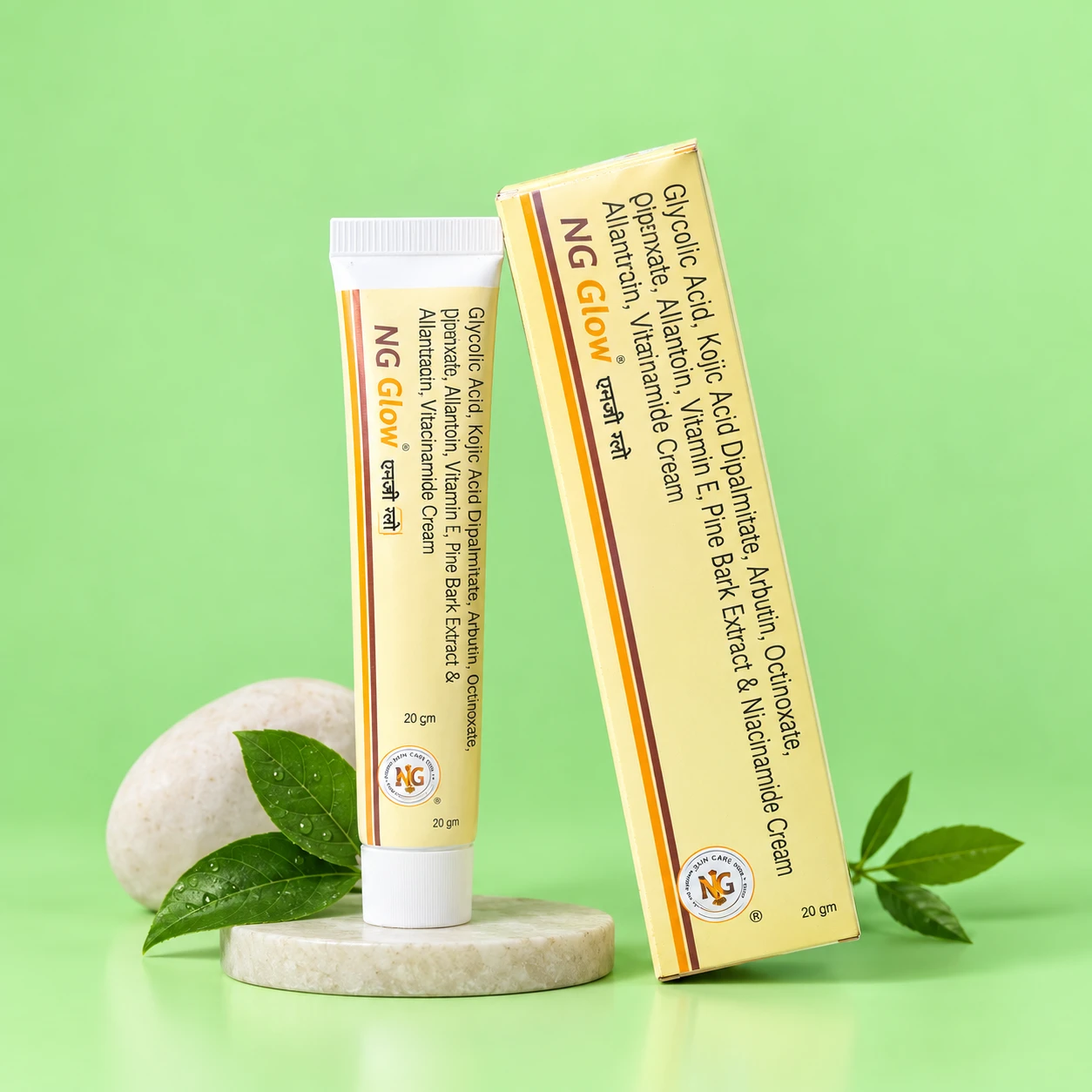
NG Glow Cream Price in Bangladesh – Heal N Cure NG Glow Skin Brightening Cream (20g)
Searching for the original NG Glow cream price in Bangladesh? Heal N Cure NG Glow Cream (20g) is a skin brightening and anti-pigmentation cream that combines glycolic acid, kojic acid, arbutin and niacinamide. Together these ingredients help fade dark spots, melasma-type patches, acne marks and tanning, while improving dullness and skin texture. Order the authentic product from Derma.com.bd at a competitive price, with fast delivery in Dhaka and home delivery across Bangladesh.
This guide explains how each ingredient in NG Glow works, who it suits, how to use it safely, what results you can expect, and how to protect your progress with sunscreen and good habits.
About Heal N Cure
Heal N Cure is a dermatology and skincare brand offering treatment-focused products for pigmentation and other common skin concerns. Explore the range on our Heal N Cure brand page.
Key Ingredients and How They Work
Glycolic Acid
An alpha hydroxy acid that loosens and removes dull, pigmented surface cells. It brightens the complexion, smooths texture and helps other actives penetrate better.
Kojic Acid
A tyrosinase inhibitor derived from fermentation that reduces melanin production, helping dark spots fade and preventing new ones.
Arbutin
A gentle plant-derived brightener that slows melanin formation and helps even out skin tone.
Niacinamide
Vitamin B3 reduces the transfer of pigment to the skin surface, strengthens the barrier, calms redness and helps control oil. It also helps balance the potential dryness of acids.
The Combined Effect
Kojic acid and arbutin reduce new pigment production, niacinamide blocks pigment transfer, and glycolic acid helps shed existing pigmented cells. This four-way approach targets pigmentation at multiple stages for more balanced, gradual results.
Benefits of NG Glow Cream
- Helps fade dark spots and blemishes
- Helps reduce melasma-type patches and uneven tone
- Fades post-acne marks over time
- Reduces tanning and dullness
- Smooths rough skin texture
- Barrier support from niacinamide
- Hydroquinone-free and steroid-free formula
Who Should Use NG Glow?
- People with dark spots, blemishes and acne marks
- Those with tanning and dull, uneven skin
- People with mild melasma, as part of a dermatologist's plan
- Normal, oily and combination skin types
Because it contains glycolic acid, people with very sensitive or dry skin should patch test and start slowly.
How to Use NG Glow Cream
- Apply at night, as glycolic acid increases sun sensitivity.
- Wash your face with a gentle cleanser and pat completely dry.
- Apply a thin layer to the affected areas or the whole face, avoiding the eyes, lips and nostrils.
- Start on alternate nights for the first week or two, then increase to nightly if tolerated.
- Use a moisturiser if your skin feels dry.
- Apply broad-spectrum sunscreen SPF 30–50 every morning.
Who Should Avoid NG Glow?
Avoid using it on sunburned, broken, infected or eczema-affected skin, and do not use it if you are allergic to any of its ingredients. People with rosacea or very reactive skin should consult a dermatologist first, as acids can trigger flushing. If you are pregnant or breastfeeding, seek medical advice before starting any brightening treatment.
Tips for Sensitive Skin
If your skin is easily irritated, apply a thin layer of moisturiser first and then NG Glow on top to buffer it, use it only two or three nights a week at first, and avoid other actives during this period. Increase gradually as your skin adjusts.
What Results to Expect
You may notice brighter, smoother skin within two to four weeks. Dark spots and uneven tone typically improve after six to twelve weeks of consistent use with daily sunscreen. Melasma responds more slowly and may need a broader treatment plan.
How Glycolic Acid Supports Brightening
The skin naturally renews itself by shedding old surface cells and replacing them with new ones from below. This cycle takes roughly four to six weeks in young adults and slows down with age and sun damage. Pigmented cells linger on the surface for longer when turnover is slow, keeping spots visible. Glycolic acid, the smallest alpha hydroxy acid, gently dissolves the bonds between these dead cells so they shed more evenly. This makes the skin look brighter and smoother within weeks and helps pigmented cells clear faster, while allowing kojic acid, arbutin and niacinamide to reach their targets more effectively.
Lifestyle Tips for Even, Glowing Skin
- Wear sunscreen daily and reapply when outdoors.
- Use an umbrella or cap in strong sunlight.
- Treat acne early to prevent new marks.
- Avoid picking, scratching or squeezing spots.
- Eat fruits and vegetables rich in antioxidants.
- Drink enough water and sleep well.
- Remove makeup before bed.
Sun Protection Is Essential
Sun exposure is the biggest trigger of new pigmentation and can quickly undo progress. Use SPF 30–50 sunscreen every morning, reapply outdoors and use physical protection such as umbrellas and caps. This is especially important because glycolic acid makes the skin more sun-sensitive.
Understanding Pigmentation on South Asian Skin
Pigmentation problems are among the most common skin concerns in Bangladesh. Skin of colour contains more active melanocytes, which respond quickly to triggers such as sun exposure, inflammation, hormones and friction by producing extra melanin. That is why a single pimple can leave a dark mark for months, why tanning is common after daily commutes, and why melasma affects many women. These conditions are harmless but can affect confidence. The good news is that consistent use of well-chosen brightening ingredients, combined with sun protection, can bring significant improvement. Learn more about different pigmentation conditions in the DermNet skin pigmentation guide.
Common Types of Dark Spots
- Post-inflammatory hyperpigmentation: Flat brown marks left after acne, insect bites, cuts or rashes. See the DermNet guide to postinflammatory hyperpigmentation.
- Melasma: Symmetrical brown patches on the cheeks, forehead and upper lip, often linked to hormones and sun.
- Sun spots: Well-defined brown spots on sun-exposed areas.
- Tanning: Overall darkening of exposed skin after sun exposure.
- Friction darkening: On the neck, underarms, elbows and knees.
Why Multi-Ingredient Formulas Work Well
Pigment formation involves several steps: a trigger activates pigment cells, the enzyme tyrosinase produces melanin, the pigment is packaged and transferred to surface skin cells, and those cells eventually shed. A single ingredient usually acts at only one step. By combining tyrosinase inhibitors (kojic acid and arbutin), a transfer blocker (niacinamide) and an exfoliant (glycolic acid), NG Glow targets the process from several angles. This approach often allows each ingredient to be used at a comfortable concentration while still achieving good overall results.
A Simple Brightening Routine
Morning: Gentle cleanser → light moisturiser → broad-spectrum sunscreen SPF 30–50.
Night (NG Glow nights): Gentle cleanser → wait until dry → NG Glow Cream → moisturiser if needed.
Night (rest nights, first two weeks): Gentle cleanser → moisturiser.
If you use a retinoid or acne treatment, alternate nights rather than layering, and introduce one product at a time.
Common Mistakes to Avoid
- Using the cream during the day without sunscreen
- Applying thick layers expecting faster results
- Combining it with scrubs, peels or retinoids on the same night
- Picking at pimples, which creates new marks
- Using lemon juice or other harsh home remedies
- Stopping before results have had time to appear
Beware of Unsafe Fairness Products
Creams sold without proper labelling and promising rapid whitening may contain hidden steroids, mercury or high-strength hydroquinone. These can thin the skin, cause acne and redness, and lead to worse pigmentation. Choose transparently labelled products from trusted sellers, and consult a dermatologist for stubborn pigmentation. The DermNet guide to bleaching agents explains these risks.
Precautions
- For external use only. Avoid eyes, lips and broken skin.
- Patch test before first use.
- Do not combine with retinoids, other acids or scrubs on the same night unless advised.
- Consult a doctor if pregnant or breastfeeding.
- Store below 25°C, away from sunlight. Keep out of reach of children.
Possible Side Effects
- Mild tingling, warmth or stinging on application
- Redness, dryness or light flaking, especially at the start
- Increased sun sensitivity
- Irritation or contact allergy to kojic acid in some people
Reduce frequency for mild irritation. Stop use and seek advice for severe burning, swelling or rash.
Using NG Glow With Other Products
NG Glow can fit into a broader routine. For acne-prone skin, use acne treatments such as Zitcare-S or Differin on alternate nights. For melasma, a dermatologist may combine or alternate it with tranexamic acid creams such as Tyrodin or CARE:NEL. A gentle niacinamide moisturiser like Dr.Althea 345 works well in the morning. Browse more in our dark spots and hyperpigmentation collection.
Using NG Glow on the Body
Darkening on the neck, elbows and knees is often due to friction. NG Glow can be applied to small areas after a patch test. Start on alternate nights, moisturise well and wear loose cotton clothing. Avoid applying to the underarms or inner thighs right after hair removal. Velvety dark patches on the neck may signal insulin resistance and should be checked by a doctor.
Seasonal Tips for Bangladesh
From March to October, strong sun and humidity mean sunscreen and reapplication are crucial. Use NG Glow strictly at night. In the drier winter months, follow with a richer moisturiser and reduce frequency if your skin becomes flaky.
When to See a Dermatologist
See a dermatologist if pigmentation does not improve after three months, keeps spreading, or if any spot changes in size, shape or colour, bleeds or itches.
How to Spot a Genuine Product
Check for a sealed pack, clear printing, a batch number and expiry date. Buy from trusted sellers like Derma.com.bd.
Why Buy From Derma.com.bd?
- 100% original Heal N Cure NG Glow
- Competitive NG Glow cream price in Bangladesh
- Fast delivery in Dhaka and nationwide
- Cash on delivery
- Products stored properly with checked expiry dates
The current price is shown at the top of this page.
Frequently Asked Questions
What is the NG Glow cream price in Bangladesh?
See the top of this page for the latest price of the original 20g tube.
Is NG Glow good for melasma?
It may help mild melasma-type pigmentation. For moderate to severe melasma, consult a dermatologist.
Can I use it in the morning?
It is best used at night. If used in the day, sunscreen is essential.
Does it contain hydroquinone?
No. Its key actives are glycolic acid, kojic acid, arbutin and niacinamide.
Can men use it?
Yes, but avoid applying right after shaving.
How long does a 20g tube last?
With nightly face use, around six to eight weeks.
Is tingling normal?
Mild tingling is common because of glycolic acid. Persistent burning means you should reduce use or stop.
Can I use it with vitamin C?
Use vitamin C in the morning and NG Glow at night.
Will spots come back?
New spots can appear with sun exposure or acne. Continue sunscreen and a maintenance routine.
Can I apply makeup the next day?
Yes. In the morning, wash your face, apply moisturiser and sunscreen, then makeup.
Is it suitable for oily skin?
Yes. Niacinamide and glycolic acid generally suit oily and combination skin well.
Can teenagers use it?
Older teenagers with acne marks can use it with care, but treating active acne should come first.
Product Details
- Product: NG Glow Skin Brightening Cream
- Brand: Heal N Cure
- Size: 20g
- Key ingredients: Glycolic Acid, Kojic Acid, Arbutin, Niacinamide
- Concerns: Dark spots, melasma-type patches, acne marks, tanning
Final Words
NG Glow Cream combines four complementary brightening ingredients for a clearer, more even complexion. Use it at night, protect your skin by day and be consistent. Order the original NG Glow Cream at the best price in Bangladesh from Derma.com.bd today.
Disclaimer: For general information only, not medical advice. Consult a dermatologist for persistent pigmentation.
NG Glow Cream Price in Bangladesh – হিল এন কিওর এনজি গ্লো স্কিন ব্রাইটেনিং ক্রিম (২০ গ্রাম)
বাংলাদেশে অরিজিনাল NG Glow ক্রিমের দাম খুঁজছেন? হিল এন কিওর এনজি গ্লো ক্রিম (২০ গ্রাম) একটি ত্বক উজ্জ্বলকারী ও অ্যান্টি-পিগমেন্টেশন ক্রিম, যাতে গ্লাইকোলিক অ্যাসিড, কোজিক অ্যাসিড, আরবুটিন ও নিয়াসিনামাইড একসাথে আছে। এগুলো কালো দাগ, মেছতার মতো ছোপ, ব্রণের দাগ ও ট্যান কমাতে এবং নিস্তেজ ভাব ও টেক্সচার উন্নত করতে সাহায্য করে। Derma.com.bd থেকে অরিজিনাল প্রোডাক্টটি সাশ্রয়ী দামে অর্ডার করুন, ঢাকায় দ্রুত ও সারা দেশে হোম ডেলিভারি।
হিল এন কিওর সম্পর্কে
হিল এন কিওর পিগমেন্টেশনসহ ত্বকের সাধারণ সমস্যার চিকিৎসাভিত্তিক প্রোডাক্ট তৈরি করে। আরও দেখুন Heal N Cure ব্র্যান্ড পেজে।
মূল উপাদান
- গ্লাইকোলিক অ্যাসিড: নিস্তেজ, পিগমেন্টযুক্ত উপরের কোষ সরিয়ে ত্বক উজ্জ্বল ও মসৃণ করে, অন্য উপাদানের প্রবেশ বাড়ায়।
- কোজিক অ্যাসিড: টাইরোসিনেজ আটকে মেলানিন তৈরি কমায়।
- আরবুটিন: মৃদুভাবে মেলানিন তৈরি কমিয়ে রং সমান করে।
- নিয়াসিনামাইড: পিগমেন্ট উপরে পৌঁছানো কমায়, ব্যারিয়ার মজবুত করে, লালচেভাব ও তেল কমায় এবং অ্যাসিডের শুষ্কতা সামলাতে সাহায্য করে।
কোজিক অ্যাসিড ও আরবুটিন নতুন পিগমেন্ট কমায়, নিয়াসিনামাইড স্থানান্তর আটকায়, গ্লাইকোলিক অ্যাসিড পুরোনো পিগমেন্টযুক্ত কোষ ঝরায়। চার দিক থেকে কাজ করায় ফল হয় ভারসাম্যপূর্ণ।
উপকারিতা
- কালো দাগ ও ছোপ হালকা করে
- মেছতার মতো ছোপ ও অসমান রং কমায়
- ব্রণের দাগ ধীরে হালকা করে
- ট্যান ও নিস্তেজ ভাব কমায়
- খসখসে টেক্সচার মসৃণ করে
- হাইড্রোকুইনোন ও স্টেরয়েডমুক্ত
কারা ব্যবহার করবেন?
- কালো দাগ, ছোপ ও ব্রণের দাগ
- ট্যান ও নিস্তেজ, অসমান ত্বক
- ডাক্তারের পরিকল্পনায় হালকা মেছতা
- স্বাভাবিক, তৈলাক্ত ও কম্বিনেশন ত্বক
গ্লাইকোলিক অ্যাসিড থাকায় খুব সংবেদনশীল বা শুষ্ক ত্বকে প্যাচ টেস্ট করে ধীরে শুরু করুন।
ব্যবহারের নিয়ম
- রাতে ব্যবহার করুন।
- মৃদু ক্লিনজারে মুখ ধুয়ে পুরোপুরি শুকিয়ে নিন।
- দাগের জায়গায় বা পুরো মুখে পাতলা করে লাগান, চোখ, ঠোঁট ও নাকের ছিদ্র এড়িয়ে।
- প্রথম এক-দুই সপ্তাহ একদিন পরপর, তারপর সহ্য হলে প্রতি রাতে।
- শুষ্ক লাগলে ময়েশ্চারাইজার।
- প্রতিদিন সকালে SPF 30–50 সানস্ক্রিন।
কী ফল আশা করবেন?
২–৪ সপ্তাহে ত্বক উজ্জ্বল ও মসৃণ লাগতে পারে। দাগ ও অসমান রঙে সাধারণত ৬–১২ সপ্তাহ নিয়মিত ব্যবহার ও সানস্ক্রিন দরকার। মেছতা ধীরে সাড়া দেয়।
দক্ষিণ এশীয় ত্বকে পিগমেন্টেশন
আমাদের ত্বকে সক্রিয় মেলানোসাইট বেশি, তাই রোদ, প্রদাহ, হরমোন ও ঘর্ষণে দ্রুত বাড়তি মেলানিন তৈরি হয়। এ কারণেই একটি ব্রণ মাসের পর মাস দাগ রেখে যায়, যাতায়াতে ট্যান পড়ে এবং অনেক নারীর মেছতা হয়। নিয়মিত উপযুক্ত উজ্জ্বলকারী উপাদান ও সানস্ক্রিনে উল্লেখযোগ্য উন্নতি সম্ভব। দেখুন DermNet পিগমেন্টেশন গাইড।
দাগের ধরন
- ব্রণের পরের দাগ: ব্রণ, পোকার কামড় বা আঁচড়ের পর সমতল বাদামি দাগ। দেখুন DermNet।
- মেছতা: গাল, কপাল ও ঠোঁটের ওপরে দুই পাশে একই রকম ছোপ।
- রোদের দাগ ও ট্যান
- ঘর্ষণজনিত কালচে ভাব: ঘাড়, বগল, কনুই ও হাঁটু।
সহজ রুটিন
সকালে: ক্লিনজার → হালকা ময়েশ্চারাইজার → SPF 30–50।
রাতে: ক্লিনজার → শুকাতে দিন → এনজি গ্লো → প্রয়োজনে ময়েশ্চারাইজার।
রেটিনয়েড বা ব্রণের ওষুধ ব্যবহার করলে আলাদা রাতে দিন।
গ্লাইকোলিক অ্যাসিড কীভাবে উজ্জ্বল করে
ত্বক প্রায় ৪–৬ সপ্তাহে পুরোনো কোষ ঝরিয়ে নতুন কোষ আনে, বয়স ও রোদে এই চক্র ধীর হয়। ধীর হলে পিগমেন্টযুক্ত কোষ বেশিদিন উপরে থাকে, দাগ দেখা যায়। গ্লাইকোলিক অ্যাসিড মৃত কোষের বন্ধন আলগা করে সমানভাবে ঝরায়, ফলে কয়েক সপ্তাহে ত্বক উজ্জ্বল ও মসৃণ দেখায় এবং কোজিক অ্যাসিড, আরবুটিন ও নিয়াসিনামাইড ভালোভাবে কাজ করতে পারে।
সংবেদনশীল ত্বকের জন্য টিপস
আগে পাতলা ময়েশ্চারাইজার, তারপর এনজি গ্লো দিন। প্রথমে সপ্তাহে দুই-তিন রাত ব্যবহার করুন এবং এ সময় অন্য অ্যাক্টিভ বন্ধ রাখুন। ত্বক মানিয়ে নিলে ধীরে দিন বাড়ান।
যে ভুলগুলো এড়াবেন
- সানস্ক্রিন ছাড়া দিনে ব্যবহার
- দ্রুত ফলের আশায় ঘন করে লাগানো
- একই রাতে স্ক্রাব, পিল বা রেটিনয়েড
- ব্রণ খোঁটা
- লেবুর রসের মতো কড়া ঘরোয়া উপায়
- ফল আসার আগেই বন্ধ করা
অনিরাপদ ফর্সাকারী ক্রিম থেকে সাবধান
লেবেলবিহীন দ্রুত ফর্সাকারী ক্রিমে লুকানো স্টেরয়েড, পারদ বা উচ্চমাত্রার হাইড্রোকুইনোন থাকতে পারে, যা ত্বক পাতলা, ব্রণ ও আরও দাগের কারণ হয়। বিস্তারিত: DermNet।
শরীরে ব্যবহার ও ঋতুভেদে
ঘাড়, কনুই ও হাঁটুর ঘর্ষণজনিত কালো ভাবে প্যাচ টেস্টের পর একদিন পরপর লাগাতে পারেন। লোম তোলার পরপরই বগল বা উরুর ভেতরে লাগাবেন না। মার্চ থেকে অক্টোবর তীব্র রোদে সানস্ক্রিন খুব জরুরি, আর শীতে সমৃদ্ধ ময়েশ্চারাইজার দিন ও প্রয়োজনে দিন কমান।
কখন ডাক্তার দেখাবেন?
তিন মাসেও উন্নতি না হলে, দাগ ছড়ালে বা কোনো দাগের আকার, আকৃতি বা রং বদলালে, রক্ত পড়লে বা চুলকালে চর্মরোগ বিশেষজ্ঞ দেখান।
বহু-উপাদানের ফর্মুলা কেন ভালো কাজ করে
পিগমেন্ট তৈরি হয় কয়েক ধাপে: কোনো উদ্দীপনা মেলানোসাইট সক্রিয় করে, টাইরোসিনেজ মেলানিন তৈরি করে, পিগমেন্ট উপরের কোষে যায় এবং শেষে কোষ ঝরে পড়ে। একটি উপাদান সাধারণত একটি ধাপেই কাজ করে। এনজি গ্লোতে টাইরোসিনেজ বাধাদানকারী, স্থানান্তর রোধকারী ও এক্সফোলিয়েন্ট একসাথে থাকায় প্রতিটি উপাদান আরামদায়ক মাত্রায় রেখেও ভালো সার্বিক ফল পাওয়া যায়।
উজ্জ্বল ত্বকের জীবনযাপন
- প্রতিদিন সানস্ক্রিন ও বাইরে থাকলে আবার লাগান।
- তীব্র রোদে ছাতা বা টুপি ব্যবহার করুন।
- ব্রণের দ্রুত চিকিৎসা করুন।
- অ্যান্টিঅক্সিডেন্টসমৃদ্ধ ফল ও সবজি খান।
- পর্যাপ্ত পানি পান ও ঘুম।
সতর্কতা
- হালকা ঝিনঝিন, লালচেভাব, শুষ্কতা বা চামড়া ওঠা হতে পারে।
- চোখ, ঠোঁট ও কাটা ত্বকে লাগাবেন না।
- একই রাতে রেটিনয়েড, অন্য অ্যাসিড বা স্ক্রাব নয়।
- গর্ভাবস্থা ও স্তন্যদানকালে ডাক্তারের পরামর্শ নিন।
- ২৫°C-এর নিচে, রোদ থেকে দূরে রাখুন।
অন্যান্য প্রোডাক্টের সাথে
ব্রণে আলাদা রাতে Zitcare-S বা Differin। মেছতায় Tyrodin বা CARE:NEL। সকালে Dr.Althea 345। দেখুন ডার্ক স্পটস কালেকশন।
কেন Derma.com.bd?
- ১০০% অরিজিনাল এনজি গ্লো
- সাশ্রয়ী NG Glow cream price in Bangladesh
- ঢাকায় দ্রুত ও সারা দেশে ডেলিভারি, ক্যাশ অন ডেলিভারি
সাধারণ জিজ্ঞাসা
বাংলাদেশে এনজি গ্লো ক্রিমের দাম কত?
সর্বশেষ দাম এই পেজের উপরে দেখুন।
মেছতায় কাজ করে?
হালকা মেছতায় সাহায্য করতে পারে। মাঝারি থেকে গুরুতর হলে বিশেষজ্ঞ দেখান।
এতে কি হাইড্রোকুইনোন আছে?
না।
ছেলেরা ব্যবহার করতে পারবে?
হ্যাঁ, তবে শেভের পরপরই নয়।
ঝিনঝিন করা কি স্বাভাবিক?
হ্যাঁ, গ্লাইকোলিক অ্যাসিডের কারণে হালকা ঝিনঝিন হয়। স্থায়ী জ্বালায় ব্যবহার কমান।
একটি টিউব কত দিন চলে?
প্রতি রাতে মুখে ব্যবহারে প্রায় ৬–৮ সপ্তাহ।
দিনে ব্যবহার করা যাবে?
রাতে ব্যবহারই ভালো। দিনে ব্যবহার করলে অবশ্যই সানস্ক্রিন দিন।
দ্রষ্টব্য: সাধারণ তথ্যের জন্য। দীর্ঘস্থায়ী পিগমেন্টেশনে চর্মরোগ বিশেষজ্ঞের পরামর্শ নিন।
Write a Review
Customer Reviews (0)
No reviews yet. Be the first to review this product!